The Rise of Industrial Chic: Warehouse Living Reimagined
Warehouse with apartment spaces combine historic industrial structures with modern residential amenities, offering unique living environments characterized by:
- High ceilings (typically 10+ feet)
- Exposed brick, beams, and ductwork
- Open floor plans with flexible living areas
- Industrial-inspired design elements
- Large windows providing abundant natural light
When you walk into a warehouse apartment, you're immediately struck by the sense of space and history. These aren't your typical cookie-cutter units—they're architectural statements that tell a story of urban change.
Once the domain of artists seeking affordable studio space in the 1980s, warehouse apartments have evolved into some of the most sought-after urban residences. The trend began in cities like New York and Chicago, where abandoned industrial buildings offered vast, flexible spaces that conventional apartments couldn't match.
As one resident of a converted textile mill in Minneapolis put it: "It really is the best of both worlds: inspired by history, powered by innovation." This sentiment captures the essence of what makes warehouse living so appealing to urban professionals seeking character alongside convenience.
Today's warehouse apartments retain their industrial bones while incorporating modern amenities like smart home technology, energy-efficient appliances, and community spaces designed for today's lifestyle needs. Many feature amenities specifically designed to complement the warehouse aesthetic, such as co-working spaces in former loading docks or rooftop lounges overlooking urban skylines.
The appeal goes beyond aesthetics. Warehouse apartments often sit in revitalized neighborhoods with walk scores of 95+ and easy access to dining, entertainment, and transit options. They offer a lifestyle as much as a living space—one that balances historic character with contemporary urban living.
What Is a Warehouse Apartment? Definitions & DNA
When you step into a warehouse with apartment, you're entering a space with a fascinating double life. These aren't just places to live—they're pieces of industrial history transformed into modern homes. A true warehouse apartment occupies what was once a working industrial building, preserving the soul of the structure while making it comfortable for today's urban dwellers.
The DNA of these unique spaces tells a story through their distinctive elements:
The bones of the building remain exposed—structural columns that once supported heavy machinery, ceiling joists that have weathered decades, and original brick walls that have witnessed the changing tides of industry. These aren't design choices; they're authentic artifacts of the building's working past.
Materials speak volumes in a warehouse with apartment. The honest textures of brick, concrete, steel, and timber create a warmth that can't be replicated in conventional spaces. Each scratch and mark adds character rather than detracting from it.
Perhaps most striking is the sheer scale—with soaring ceilings often reaching 10-20 feet high and sweeping open floor plans that give you room to breathe and create. This generous sense of space is something traditional apartments simply can't match.
"Moving here was like becoming a caretaker of history," explains one resident of a Minneapolis warehouse conversion. "My living room was once where workers assembled textile machinery in the 1930s. Now I paint in that same light. It feels like I'm adding my chapter to the building's story."
How a Warehouse Apartment Differs from a Loft or Studio
Though often used interchangeably in real estate listings, there are meaningful differences between these living spaces:
A true warehouse with apartment occupies an authentic former industrial building with legitimate historical elements preserved during conversion. You can't fake the patina of a century-old brick wall or the character of original timber beams.
Lofts, while sharing many aesthetic qualities, might be purpose-built to mimic the warehouse look without actually occupying a historic structure. They capture the style but not necessarily the story.
Studios are typically single-room apartments without the historical context or industrial features that define warehouse living.
The difference goes beyond aesthetics to practical matters of zoning. Many warehouse with apartment buildings maintain special live/work zoning designations that allow for both residential living and commercial activities in the same space. This flexibility makes them particularly appealing to creatives, entrepreneurs, and remote workers who need their living space to pull double duty.
The structural realities of warehouse conversions create unique design challenges and opportunities. Original load-bearing walls and columns can't simply be removed, resulting in floor plans that work around these immovable elements. What might initially seem like constraints often become the most distinctive and charming aspects of the space.
Hallmark Layouts & Room Flow
Walk into a warehouse with apartment and you'll immediately notice how differently the space feels from a conventional apartment. Rather than being chopped into distinct rooms, these homes accept openness and flow:
Living spaces blend seamlessly together—kitchen, dining, and living areas converse with each other without full-height walls interrupting the dialogue. This creates natural gathering spaces perfect for entertaining.
Many clever conversions make use of the extraordinary ceiling height by adding mezzanine levels—partial second floors that create sleeping lofts or home office spaces while preserving the dramatic open feeling below.
The windows in warehouse apartments are often architectural features in themselves—massive industrial-style openings that flood the space with natural light. These aren't just windows; they're portals connecting interior space with urban landscapes outside.
Rather than rigid permanent divisions, many warehouse dwellers define spaces flexibly through strategic furniture placement, decorative screens, or sliding doors that can transform the layout as needs change.
One of the most magical features in many warehouse with apartment spaces are the skylights—originally designed to illuminate factory floors for productivity, now creating ever-changing patterns of light that highlight architectural details throughout the day.

From Factories to Flats: The History of Warehouse Conversions
The story of warehouse with apartment living is deeply intertwined with the economic evolution of American cities. As manufacturing jobs disappeared from urban centers in the 1970s and 1980s, they left behind architectural treasures – vast, empty industrial buildings with character to spare but no clear purpose.
These abandoned spaces coincided perfectly with changing urban demographics and housing needs. The first residents to see potential in these dusty, drafty buildings were creative types seeking something different from cookie-cutter apartments. They weren't just looking for a place to sleep – they needed affordable spaces with abundant natural light and room to create.
"My coworker's aunt bought a 3,000 square foot loft in Tribeca for $80,000 in the late 1980s when the neighborhood was still industrial," shared one longtime New Yorker. "Today, that same space would easily fetch $5-10 million." This dramatic value increase tells the story of how warehouse apartments transformed from fringe housing to some of the most coveted real estate in America.
Early Pioneers & Artist Colonies
The first wave of warehouse dwellers were true urban pioneers. In New York's SoHo district, artists formed tight-knit communities in abandoned manufacturing lofts, creating vibrant neighborhoods where living and creating blended seamlessly.
Life in these early warehouse with apartment spaces was far from glamorous. Residents cobbled together makeshift kitchens and bathrooms, devised creative heating solutions, and often shared costs through communal arrangements. The focus was squarely on maximizing studio space rather than residential comfort.
Most operated in legal gray areas, with residents technically violating zoning laws that still classified the buildings as industrial. But their presence was quietly changing neighborhoods and demonstrating these spaces' tremendous potential.
A Brooklyn resident who moved into a former potato chip factory in the early '90s recalls, "We had to hide the fact that people were living here. The landlord knew, but officially we were 'studio spaces.' Now the same building has a waiting list and amenities we never dreamed of."
Market Shift to Luxury Living
By the mid-1990s, city officials began recognizing that warehouse conversions could breathe new life into declining industrial districts. Zoning changes and adaptive reuse incentives made legal conversions possible, catching the attention of developers with vision.
This second wave marked a fundamental shift in the warehouse with apartment landscape. Professional developers replaced DIY conversions, high-end finishes became standard, and sleek amenities appeared where once there were only freight elevators and loading docks. The target demographic shifted from struggling artists to young professionals with disposable income.
What began as affordable, alternative housing has evolved into aspirational living. Today's warehouse apartments are marketed as premium spaces that offer the best of both worlds – historical character with thoroughly modern conveniences.
As one Toronto warehouse development aptly phrases it: "It really is the best of both worlds: inspired by history, powered by innovation." This positioning perfectly captures why warehouse living has become so desirable – authentic industrial character without any of the compromises those early warehouse dwellers had to make.
For more on the fascinating history of industrial spaces becoming homes, check out the National Trust for Historic Preservation's resources on adaptive reuse.
Signature Features, Amenities & Tech You'll Find
Step into a modern warehouse with apartment and you'll immediately feel the perfect marriage of yesterday and today. These spaces celebrate their industrial roots while embracing contemporary comforts that make daily living a joy rather than a compromise.
The bones of these buildings tell stories through their preserved architectural elements. Original brick walls showcase decades of history in every imperfection. Overhead, timber or steel beams reveal the building's structural skeleton, often complemented by ductwork that adds industrial character. Beneath your feet, polished concrete floors—sometimes bearing the marks of their manufacturing past—create a seamless flow throughout the space. And those windows! Oversized industrial-style openings flood rooms with natural light, while soaring ceilings (often 10+ feet high) create an best sense of spaciousness.
"What sold me was walking in and seeing that original freight elevator door mounted as a feature wall," shares a resident at The Hall Lofts in Minneapolis. "It's these authentic touches that make my space special—though I certainly don't mind my heated bathroom floors and smart thermostat. It's truly the best of both worlds."
Today's warehouse dwellers enjoy modern conveniences thoughtfully integrated into these historic structures. Smart building systems control everything from climate to security with a tap on your phone. Energy-efficient HVAC systems are specially designed to manage the unique challenges of heating and cooling these voluminous spaces. Kitchens feature contemporary appliances and designer finishes that complement rather than compete with the industrial surroundings. Bathrooms offer a surprising contrast—spa-inspired retreats with luxury fixtures nestled within the urban industrial context.
Building Amenities That Matter
Community spaces in warehouse with apartment buildings cleverly repurpose original industrial elements while catering to modern lifestyles. Former boiler rooms transform into state-of-the-art fitness centers. What once served as factory roofs now host stylish lounges where residents gather against urban skyline backdrops. Many buildings feature co-working spaces that honor the building's productive past while serving today's remote workers.
The practical needs of contemporary city dwellers aren't forgotten either. Secure package delivery through automated parcel lockers solves a common urban headache. Pet owners appreciate dedicated washing stations and relief areas for their four-legged companions. And those original freight elevators? Many have been beautifully preserved and upgraded to modern safety standards—perfect for moving furniture into those expansive loft spaces.
The Hall Lofts exemplifies this thoughtful approach to amenities, with dedicated bike storage complete with repair stations (a must in bike-friendly Minneapolis), and community spaces that celebrate the building's rich industrial heritage while serving very modern purposes.
In-Unit Must-Haves
Within individual warehouse with apartment homes, certain features have become expected rather than exceptional. In-unit laundry eliminates trips to communal facilities. Countertops in quartz or polished concrete complement the industrial aesthetic while providing practical work surfaces. Modern security comes through keyless entry systems that blend convenience with peace of mind.
Climate control deserves special mention in these spaces. Energy-efficient HVAC systems designed specifically for high-ceilinged environments ensure comfort year-round without astronomical utility bills. Thoughtful lighting solutions highlight architectural features while providing practical illumination for daily living.
The heart of many warehouse apartments is the kitchen island—a gathering spot that doesn't interrupt the open floor plan's flow. These islands often incorporate reclaimed wood or steel elements that maintain design coherence with the space's industrial roots.
Bathrooms in these homes accept the contrast between industrial architecture and modern luxury. Deep soaking tubs, classic subway tile, and high-end fixtures create intimate retreats within the larger, more open living areas—private sanctuaries that balance the public nature of open-concept living.
Where Are Warehouse Apartments & How Much Do They Cost?
The charm of warehouse with apartment living thrives primarily in urban landscapes with rich industrial pasts. These unique spaces cluster in cities where manufacturing once boomed and have since transformed into vibrant residential neighborhoods.
You'll find the most celebrated warehouse conversions in cities like:
- New York City, particularly in the artistic enclaves of SoHo, Tribeca, and DUMBO
- Chicago, where River North and West Loop showcase stunning industrial changes
- Minneapolis, whose North Loop/Warehouse District offers authentic industrial living
- Toronto, with Queen & Parliament and Liberty Village leading the warehouse revival
- Atlanta, where Kirkwood has acceptd its industrial roots
- Oakland, around Jack London Square and nearby districts
- Washington DC, especially in the emerging Ivy City area
What ties these locations together? They're all close to downtown cores, well-connected by transit, and blessed with a critical mass of industrial buildings ripe for reimagining as living spaces.

Typical Neighborhoods & Walkability Scores
Warehouse apartments don't pop up just anywhere. They tend to flourish in neighborhoods with specific characteristics:
Former manufacturing zones with solid architectural foundations make ideal candidates for conversion. Areas near waterways—rivers, lakes, harbors—that once facilitated shipping now offer scenic views alongside industrial character. Many warehouse districts carry historic preservation designations, ensuring their unique qualities remain intact for generations to come.
The urban convenience of these neighborhoods is remarkable. In Toronto, warehouse developments proudly advertise Walk Scores of 97, Transit Scores of 100, and Bike Scores of 75—numbers that tell the story of truly connected urban living.
Minneapolis' North Loop exemplifies this pattern perfectly. Once a busy warehouse district, it has blossomed into a neighborhood where restaurants, boutiques, and creative businesses thrive within easy walking distance of buildings like The Hall Lofts. The change from industrial corridor to vibrant community creates a unique living experience that combines history with contemporary convenience.
Price Range vs. Traditional Rentals
Let's be honest—the distinctive character and limited availability of warehouse with apartment spaces command premium prices in both rental and sales markets. Typically, these industrial-chic homes cost significantly more than conventional apartments nearby—often 1.5 to 2 times as much.
Even in smaller cities or emerging neighborhoods, authentic warehouse lofts typically start at the higher end of the local market, reflecting their special status in the housing ecosystem.
This price difference stems from several factors: The inventory of genuine warehouse conversions remains limited—you can't just build more historic buildings. The renovation process for these specialized structures involves higher construction costs than standard apartments. Warehouse units typically offer more generous square footage than conventional apartments. Their locations in trending urban districts add further value. Perhaps most importantly, they provide a unique character impossible to duplicate in new construction.
For buyers, there's sometimes a silver lining—warehouse condominiums may qualify for historic tax credits that can offset some of the premium pricing. These incentives reward the preservation of historic structures and can make ownership more accessible in certain markets.
At The Hall Lofts in Minneapolis, residents find value beyond mere square footage. The soaring ceilings, authentic industrial elements, and connection to the city's manufacturing heritage create a living experience that transcends the ordinary—a quality that's difficult to put a price tag on but impossible to ignore when you walk through the door.
Living in a Warehouse with Apartment: Pros, Cons & Lifestyle Fit
There's something magical about walking into a warehouse with apartment space for the first time. The soaring ceilings, the flood of natural light, the sense of history in every exposed brick and beam—it's a living experience that simply can't be replicated in conventional buildings.
Warehouse living attracts a certain kind of resident. You'll find creative professionals sketching in sun-drenched corners, entrepreneurs hosting clients in flexible living spaces, and urban enthusiasts who love being steps away from the neighborhood's best restaurants and shops. These spaces naturally draw people who appreciate architectural character and aren't afraid to think differently about what "home" looks like.
"I love hosting dinner parties here," shares a Minneapolis warehouse resident. "The open layout means I can cook while still being part of the conversation, and guests always comment on the character of the space. It's a conversation starter in itself."
Advantages of Choosing a Warehouse with Apartment
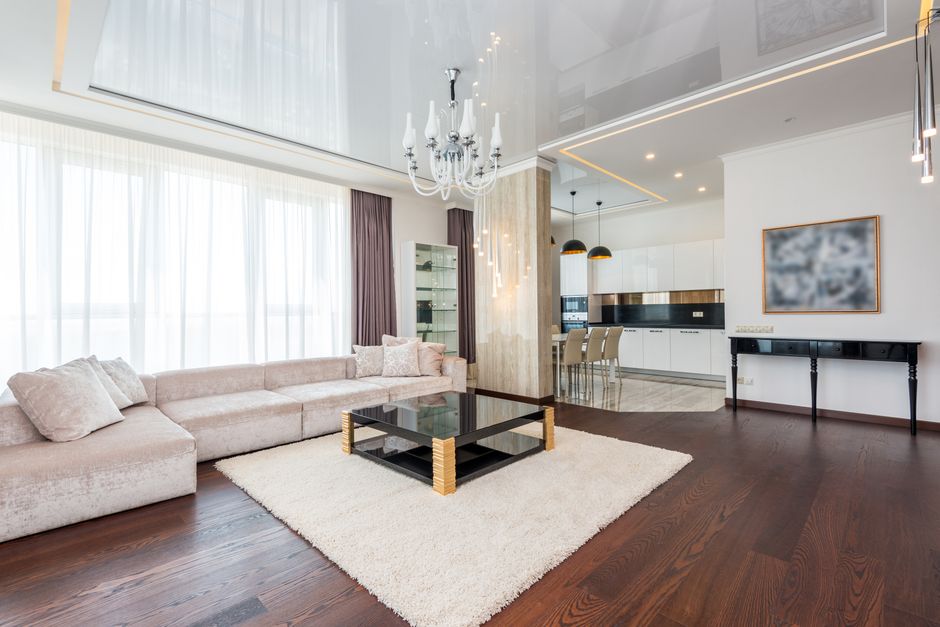
Living in a converted industrial space comes with some serious perks. The architectural character is impossible to fake—authentic industrial elements give these homes a soul and story that new construction simply can't match. The abundant natural light streaming through massive windows transforms these spaces throughout the day, creating living environments that feel alive and connected to the outside world.
The flexible space planning that comes with open layouts means your home can evolve as your needs change. Want to create a home office? Need space for yoga? Planning a dinner for twelve? Warehouse apartments adapt beautifully to changing needs without requiring renovation.
Many warehouse dwellers find an unexpected benefit: a strong community feel. There's something about living in a building with shared history that creates connections between neighbors. At The Hall Lofts in Minneapolis, residents bond over their building's industrial past while enjoying thoroughly modern living spaces.
For those blending work and home life, the live/work flexibility of many warehouse apartments is invaluable. Zoning often permits both residential and commercial activities, making these spaces ideal for creative professionals and entrepreneurs.
Challenges to Watch For in a Warehouse with Apartment
Warehouse living isn't without its quirks. Those gorgeous high ceilings can create energy efficiency challenges—heating and cooling all that volume takes thoughtful management. "In winter, I run ceiling fans on reverse to push warm air back down from the ceiling," explains one warehouse dweller. "It makes a huge difference in comfort and heating costs."
The hard surfaces and open plans that give these spaces their distinctive character can create acoustic considerations. Sound travels differently in these environments, sometimes creating echoes or noise transfer between areas. Modern conversions often incorporate sound-dampening features, but it's something to consider if you're sensitive to noise.
Storage can be another adjustment. Unlike conventional apartments with built-in closets and cabinets, warehouse spaces often have storage limitations that require creative solutions. Many residents find that free-standing wardrobes and custom storage systems become design features in their own right.
Temperature regulation requires strategy in these voluminous spaces. Heating rises, creating warm zones near ceilings and cooler areas at floor level. Modern warehouse conversions like The Hall Lofts address these challenges with energy-efficient HVAC systems specifically designed for high-ceilinged spaces.
When furnishing a warehouse apartment, standard furniture can sometimes look diminutive against high ceilings. This challenge becomes an opportunity to explore interesting design solutions—oversized art, tall bookshelves, or statement lighting that fills vertical space.
For those accustomed to clearly defined rooms, the privacy considerations of open floor plans might take adjustment. Many warehouse dwellers use furniture groupings, area rugs, or decorative screens to define spaces within the larger whole.
Despite these challenges, most warehouse apartment residents find the trade-offs well worth it. The combination of historic character, generous space, and urban connectivity creates a living experience that's truly unique—one that conventional apartments simply can't replicate.
Rules of the Game: Zoning, Codes & Conversion Process
Changing an industrial relic into a residential haven isn't as simple as putting a bed in an empty warehouse. The journey from factory floor to stylish warehouse with apartment involves navigating a maze of regulations that would make even seasoned developers scratch their heads.
These conversions require a delicate dance between preserving historic charm and meeting modern safety standards. Think of it as giving a 100-year-old building a 21st-century upgrade while respecting its original character.
Several regulatory problems must be cleared along the way:
- Zoning ordinances often require special mixed-use or live/work designations that acknowledge the building's transition from industrial to residential use
- Building codes demand residential safety standards that weren't considered when these structures housed machinery instead of people
- Historic preservation requirements protect the architectural integrity of buildings with landmark status
- ADA compliance ensures common areas are accessible to everyone
- Fire safety regulations call for comprehensive sprinkler systems and fire-resistant materials
- Environmental remediation addresses the not-so-charming industrial leftovers like asbestos or lead paint
This regulatory complexity explains why warehouse conversions are typically handled by developers with adaptive reuse expertise—and why your warehouse with apartment commands a premium price tag.
Steps to Turn a Warehouse into Apartments
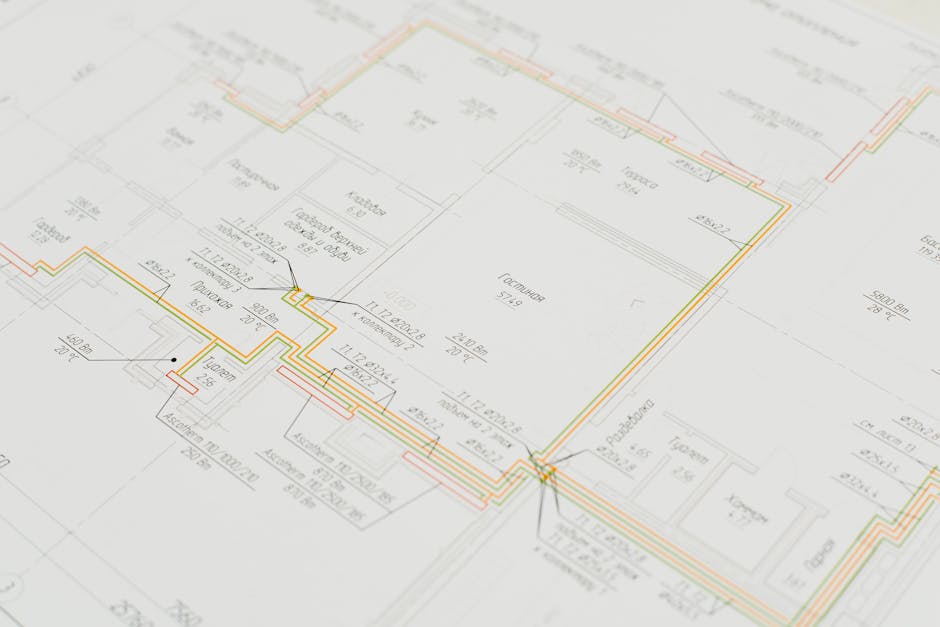
The warehouse-to-home metamorphosis follows a well-established path, though each building presents its own unique challenges:
First comes the assessment phase, where developers evaluate whether that beautiful brick behemoth has residential potential. Once acquired, environmental testing reveals any hidden surprises from the building's industrial past.
Architectural planning begins the creative process of honoring the structure's bones while accommodating modern living needs. The permitting marathon follows, with approvals needed from multiple agencies before a single wall can be touched.
Structural reinforcement ensures the building meets current safety standards, followed by the installation of modern electrical, plumbing, and HVAC systems—the invisible infrastructure that makes warehouse living comfortable. Interior construction creates individual units while carefully preserving the industrial character that makes these spaces special.
Finally, finishing and restoration work brings original elements like brick walls and timber beams back to their former glory.
This change typically takes between 18 and 36 months—a testament to the care and craftsmanship required to breathe new life into these historic structures.
Preservation vs. Modern Comfort
The magic of a successful warehouse with apartment conversion lies in finding harmony between historic preservation and contemporary comfort. The best developers understand they're not just creating apartments—they're crafting experiences that connect residents to architectural heritage.
This balancing act involves thoughtful design decisions: maintaining those gorgeous original facades while upgrading windows for energy efficiency; preserving exposed brick and timber while discreetly adding insulation; retaining industrial lighting fixtures while upgrading to efficient LED technology.
Many developers keep original freight elevators as character pieces while adding modern passenger elevators for convenience. Structural columns become design features rather than obstacles, while new mechanical systems remain discreetly hidden.
Modern warehouse with apartment buildings often incorporate sophisticated VRF (Variable-Refrigerant-Flow) HVAC systems that provide efficient climate control without disrupting historic ceilings with bulky ductwork.
At The Hall Lofts in Minneapolis, this balance is beautifully achieved. The building's industrial windows and distinctive brick exterior have been lovingly preserved, while each unit features smart thermostats and energy-efficient systems that provide thoroughly modern comfort. The result? Living spaces that honor their industrial roots while embracing contemporary urban living.
Iconic Warehouse Apartment Buildings & Pop-Culture Moments
The warehouse with apartment lifestyle has captured our collective imagination, appearing in countless films, TV shows, and design magazines. These spaces have become cultural touchstones that represent urban sophistication and creative living—though the reality sometimes differs from what we see on screen.
Walk through the cobblestone streets of Tribeca in New York City, and you'll pass some of the pioneering high-end warehouse conversions that helped launch this movement. These once-humble industrial spaces now house some of Manhattan's most coveted residences, with their cast-iron facades and massive windows telling stories of the neighborhood's manufacturing past.
In San Francisco's SoMa district, 1920s warehouses have been thoughtfully transformed into light-filled homes that honor their industrial roots while embracing contemporary comfort. The marriage of raw concrete and refined finishes has become the district's signature aesthetic.
"I fell in love with the history embedded in these walls," shares a resident of Atlanta's Warehouse Lofts, a striking 1986 conversion of a 1946 lumber warehouse. "Knowing that my living room was once filled with stacks of pine and oak gives the space a soul you just can't find in new construction."
Real-World Showstoppers Across North America
Oakland's 950 Lofts stands out with its thoughtful approach to live/work spaces. The building offers 20 units across four floors, ranging from 755 to 1845 square feet, each designed with designated areas for both living and working—perfect for today's remote professionals and creative entrepreneurs.
Atlanta's Warehouse Lofts deserves special recognition as one of the city's first industrial-to-residential conversions. Completed in 1986, this pioneering project transformed a mid-century lumber warehouse into 30 distinctive homes that set the standard for industrial chic in the Southeast.
In Toronto, warehouse conversions near Queen and Parliament boast the ultimate urban convenience with walk scores of 97 and transit scores of 100. These spaces blend 10-foot ceilings and original brick with smart building technology that brings these historic structures firmly into the 21st century.
Minneapolis's North Loop neighborhood is home to The Hall Lofts, where carefully preserved industrial elements meet thoughtfully designed modern amenities. The building exemplifies the perfect balance between honoring architectural heritage and creating comfortable, functional homes for today's urban dwellers.
Screen vs. Reality: How Accurate Are They?
If you've fallen in love with warehouse living through shows like "New Girl" or films set in converted industrial spaces, you might be in for a reality check when you tour actual warehouse with apartment offerings.
Hollywood takes some creative liberties that can create unrealistic expectations:
"That New Girl loft would cost $8-10k a month in real life," notes one online commenter. "No group of 30-somethings with normal jobs could afford that in LA." The comment highlights the most common disconnect—size and affordability. On-screen lofts are typically vastly larger than what most real-world residents could afford, especially in major cities.
Television set designers also create perfectly styled spaces with massive sliding doors and industrial elements placed just so—aesthetic perfection that would be challenging (and expensive) to maintain in daily life. Those gorgeous exposed brick walls? They can make hanging artwork a challenge and sometimes create dust that real residents must manage.
Despite these Hollywood exaggerations, media portrayals have helped popularize the warehouse aesthetic and influenced design trends in both authentic conversions and new construction. The warehouse apartment has become a cultural symbol of creative urban living—even if the reality is sometimes more modest than what we see on screen.
Real-world warehouse apartments, like those at The Hall Lofts, offer authentic industrial character without the Hollywood fantasy, creating living spaces that balance aspiration with livability. They may not be as vast as their on-screen counterparts, but they offer something more valuable: a genuine connection to urban history and a unique living experience that standard apartments simply can't match.
For more inspiration and to see how architects approach these conversions, visit Knock Architecture & Design's portfolio of warehouse change projects.
How to Buy or Rent a Warehouse Apartment
Finding and securing your dream warehouse with apartment requires a different approach than hunting for a conventional home. These unique spaces are rare gems in the real estate market, which makes the search both exciting and challenging.
When you're looking for that perfect industrial-chic living space, keep in mind that these properties are in limited supply. Authentic warehouse conversions represent just a tiny slice of the housing market, which naturally leads to premium pricing and competitive interest from other urban dwellers seeking something special.
"I spent six months searching for my warehouse apartment," shares a North Loop resident. "But the moment I walked in and saw those original timber beams and floor-to-ceiling windows, I knew the wait was worth it."
Finding Listings & Touring Spaces
Your search for the perfect warehouse home will likely involve some detective work and insider connections:
Use specialized search filters when browsing online listings. Terms like "loft," "warehouse conversion," and "industrial" can help narrow your search to the properties you're after.
Consider working with a real estate agent who specializes in unique urban properties. These professionals often have the inside track on warehouse apartments before they hit the market.
Many sought-after buildings like The Hall Lofts maintain waiting lists for interested parties. Getting your name on these lists early can give you first dibs when a unit becomes available.
Don't underestimate the power of social networking. Current residents of warehouse buildings often hear about neighbors' plans to move before listings go public. Join neighborhood social media groups or attend community events to make connections.
When touring a potential warehouse home, pay attention to practical considerations that come with these unique spaces:
Sound dynamics deserve special attention—visit at different times of day to assess how noise travels in spaces with hard surfaces and open layouts.
Temperature consistency can vary significantly in high-ceilinged spaces, so ask about heating and cooling patterns throughout the year.
Light patterns change dramatically in warehouse spaces with their oversized windows—a sun-drenched unit might be charming in winter but potentially overwhelming in summer.
Storage solutions are worth investigating since many warehouse apartments trade traditional closets for more open space. Look at how current residents have addressed this challenge.
Community vibe varies widely between buildings—some warehouse conversions foster close-knit resident communities while others offer more privacy and independence.
Financing & Closing Tips
If you're buying rather than renting, warehouse apartments come with unique financial considerations that require special attention.
Some lenders specialize in unusual property types, offering what's called "portfolio loans" that are held by the bank rather than sold on the secondary market. These lenders often have more flexibility with non-traditional properties.
When considering a warehouse condominium, thoroughly review the HOA's financial health. Historic buildings can require substantial maintenance, so you'll want to ensure adequate reserve funds exist for inevitable repairs to aging infrastructure.
Pay special attention during inspections to the building envelope (the exterior shell that protects from the elements), mechanical systems, and soundproofing between units. These aspects are particularly important in converted industrial buildings.
For renters, be prepared for lease terms that might differ from conventional apartments. Many warehouse buildings require longer minimum lease periods or larger security deposits, reflecting the premium nature of these spaces.
At The Hall Lofts in Minneapolis' North Loop, prospective residents can schedule personalized tours that showcase both individual units and the building's thoughtfully designed community spaces. These tours offer insight into how the building balances historic character with modern amenities—giving you a true feel for warehouse apartment living before making your decision.
Whether buying or renting, securing a warehouse with apartment requires patience, diligence, and sometimes quick decision-making when opportunities arise. But for those who value character, space, and a connection to urban history, the extra effort pays off in a home unlike any other.
Frequently Asked Questions about Warehouse Apartments
What's the difference between a loft and a warehouse with apartment?
Though often used interchangeably in conversation, these terms actually describe slightly different living spaces:
A warehouse with apartment specifically refers to a home created within a former industrial building that once served as storage, manufacturing, or distribution space. What makes these spaces special is their authentic industrial elements and historical significance—you're literally living in a piece of urban history.
A loft, on the other hand, is a broader term that might include newly constructed spaces designed to mimic the warehouse look without the actual industrial heritage. Think of it this way: all warehouse apartments are lofts in the architectural sense, but not all lofts are genuine warehouse conversions.
The heart of the difference comes down to authenticity. True warehouse with apartment units carry an industrial soul that shapes their character and design—something that simply can't be replicated in new construction.
How noisy are warehouse apartments?
The sound experience in a warehouse with apartment varies considerably depending on the building's construction and renovation approach:
Between units, the traditional hard surfaces like concrete floors and exposed brick might seem like they'd transmit sound easily, but many modern conversions incorporate sophisticated acoustic underlayment and insulation that wasn't available decades ago.
Within your own space, those gorgeous high ceilings and open layouts that attract so many residents can sometimes create echo effects, though this is easily managed with strategic furniture placement and soft furnishings.
"My warehouse apartment is actually quieter than my previous conventional apartment," shared one resident. "The thick concrete floors and walls create amazing sound barriers between units. Street noise through the windows is occasionally noticeable, but it's a fair trade-off for those beautiful industrial windows."
Modern warehouse conversions like The Hall Lofts have addressed these concerns with thoughtful acoustic treatments that preserve the industrial aesthetic while providing the peaceful environment urban dwellers crave.
Can I run a business from my warehouse with apartment?
The live/work flexibility of warehouse apartments is one of their most appealing features for entrepreneurs and creatives. Many warehouse with apartment buildings are specifically zoned to allow certain business activities, though the details vary by location:
Local zoning requirements will be your first consideration—some areas explicitly permit home-based businesses while others have restrictions. Your building's specific rules matter too; review your lease or condo documents carefully for any limitations on commercial activities.
Don't forget about practical considerations: your standard rental or homeowner's insurance might need supplementing if you're running a business on-site, and there may be rules about client visits or signage that you'll need to follow.
At The Hall Lofts and similar properties, residents often accept the live/work potential of these spaces, running everything from graphic design studios to consulting practices. The open floor plans and industrial character create inspiring environments for creative work, while high ceilings provide breathing room that conventional apartments simply can't match.
These spaces naturally lend themselves to businesses that don't require heavy equipment or create disruptions—the perfect setting for today's digital entrepreneurs and remote workers who need an inspiring place to both live and create.

Conclusion
Warehouse living isn't just a housing choice—it's a lifestyle statement that continues to captivate urban dwellers across North America. The change of industrial spaces into vibrant homes represents one of the most successful chapters in the story of urban renewal and adaptive reuse.
What began as an underground movement led by cash-strapped artists has blossomed into a sophisticated housing option that appeals to professionals, creatives, and anyone seeking a space with authentic character. The warehouse with apartment concept perfectly balances yesterday's industrial bones with today's modern comforts.
There's something undeniably special about living within walls that have witnessed decades of industrial activity. As one resident of The Hall Lofts put it: "Every morning, I wake up and feel connected to the history of Minneapolis. These brick walls have stories to tell."
Beyond their aesthetic appeal, warehouse conversions make environmental sense too. By breathing new life into existing structures, developers preserve the embodied carbon in these buildings while reducing construction waste. This sustainable approach to urban development maintains the architectural fabric that gives neighborhoods like Minneapolis' North Loop their distinctive character and charm.
For those tired of cookie-cutter apartments with predictable layouts and forgettable features, warehouse with apartment living offers a canvas for personal expression that conventional housing rarely matches. The generous proportions, industrial elements, and flexible floor plans invite residents to create truly personalized living environments.
At The Hall Lofts in Minneapolis, the warehouse living experience reaches its fullest expression. Residents enjoy the perfect balance of rugged industrial character and thoughtful modern amenities in one of the city's most vibrant neighborhoods. These spaces honor Minneapolis' manufacturing heritage while providing thoroughly contemporary homes designed for today's urban lifestyle.
Whether you're drawn to the soaring ceilings, the flood of natural light through massive windows, or simply the distinctive feeling of living somewhere with soul, warehouse apartments offer something truly special. In a world of housing uniformity, they stand apart as unique spaces where history and modernity come together under one very tall ceiling.