Why Contemporary Urban Lofts Are Changing City Living
Contemporary urban lofts represent a approach to city living that blends industrial heritage with modern comfort. These spaces offer the perfect solution for urban professionals seeking authenticity, flexibility, and style in their homes.
Key Features of Contemporary Urban Lofts:
- Open floor plans with minimal interior walls
- High ceilings ranging from 10-33 feet
- Large windows that flood spaces with natural light
- Exposed materials like brick, steel beams, and concrete
- Flexible layouts that adapt to work and living needs
- Prime locations in walkable city centers
The appeal is undeniable. As one industry source notes, "If you're fortunate enough to find yourself inside a reclaimed space, there's no denying it has a certain creative energy, with exposed ductwork in the ceiling and gleaming concrete floors that carry the echo of your footsteps."
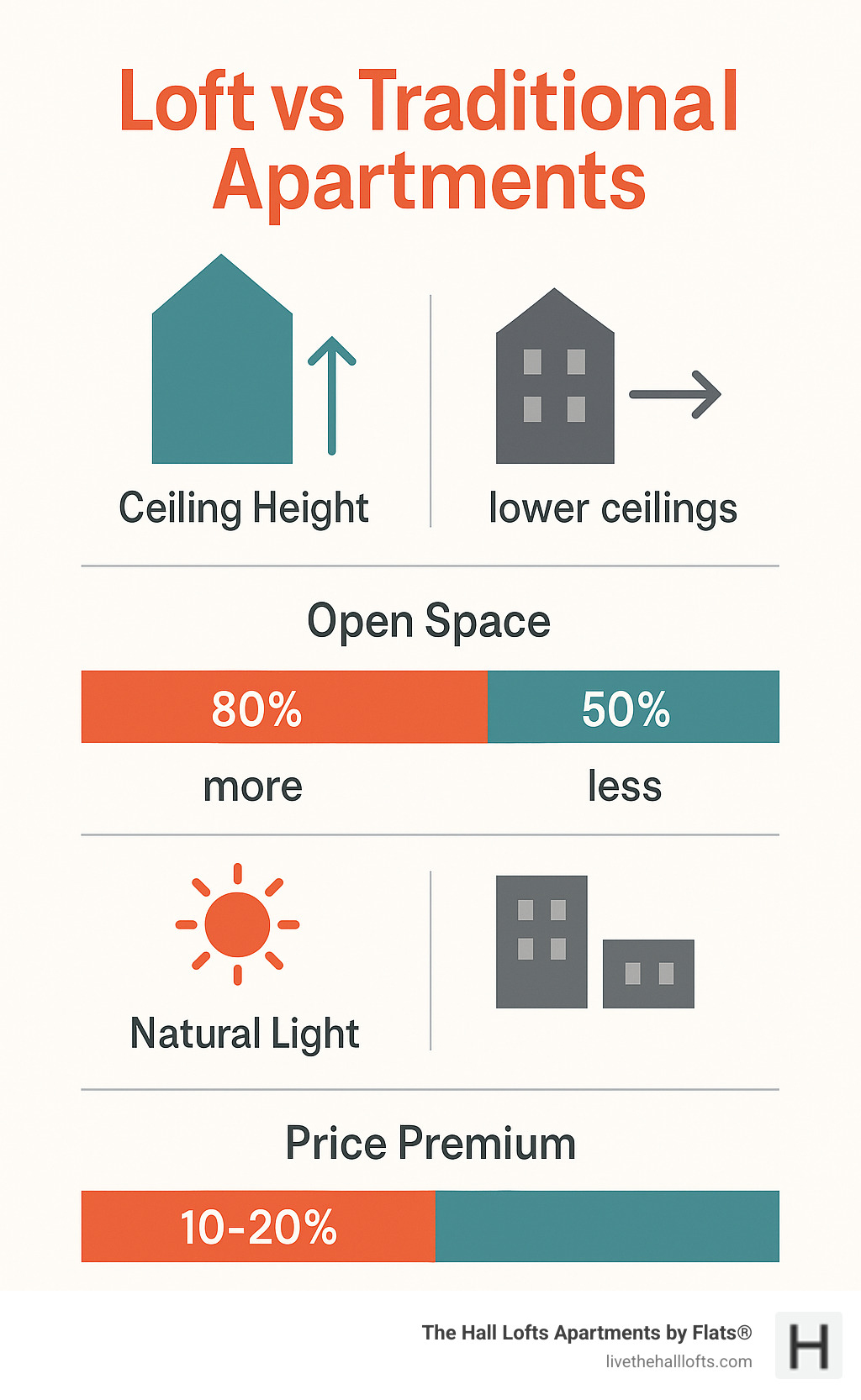
Contemporary urban lofts originated in 1940s New York when artists converted abandoned warehouses into live-work studios. Today, they command a 10-20% price premium over traditional apartments due to their unique architectural features and desirable locations.
These spaces offer up to 30% more open living area compared to standard apartments of similar square footage. The industrial-chic aesthetic - featuring exposed brick, steel, and concrete - creates that perfect balance of raw and refined that defines modern urban living.
Whether you're drawn to authentic hard lofts (converted industrial buildings) or modern soft lofts (new construction with loft-inspired features), these spaces provide the flexibility and character that busy professionals crave.
What Defines Contemporary Urban Lofts?
Contemporary urban lofts have a special kind of magic that's hard to describe until you step inside one. These aren't your typical cookie-cutter apartments - they're spaces with personality and stories to tell.
The DNA of these remarkable homes starts with their open floor plans. Forget about cramped hallways and tiny rooms separated by walls. Lofts accept wide-open spaces where your living room flows seamlessly into your kitchen, and your dining area might double as your home office. It's like having a blank canvas where you get to decide how each area functions.
Those high ceilings are absolutely game-changing. We're talking 10 feet at minimum, with some reaching up to 33 feet. Walking into a loft feels like taking a deep breath - there's just so much space above you. Combined with those large windows that flood everything with natural light, you'll find yourself wondering how you ever lived in a regular apartment.
But here's what really sets contemporary urban lofts apart: they celebrate their industrial roots instead of hiding them. Those exposed brick walls, steel beams, and polished concrete floors aren't accidents - they're features. The building's history becomes part of your home's character.
| Feature | Contemporary Urban Lofts | Traditional Apartments |
|---|---|---|
| Floor Plan | Open, minimal walls | Defined separate rooms |
| Ceiling Height | 10-33 feet | 8-9 feet standard |
| Windows | Large, industrial-sized | Standard residential |
| Materials | Exposed brick, steel, concrete | Painted drywall, carpet |
| Space Efficiency | 30% more open living area | Fixed room layouts |
| Customization | Highly flexible | Limited by existing walls |
Contemporary Urban Lofts vs Traditional Apartments
The difference between contemporary urban lofts and traditional apartments is like comparing a studio artist's workspace to a corporate cubicle. Both serve their purpose, but the experience is completely different.
Space efficiency is where lofts really shine. That same square footage goes much further when you're not losing space to hallways and multiple small rooms. You might have 800 square feet, but it feels like 1,200 because of how openly it flows.
Yes, there's typically a price premium for this flexibility and character. But think about what you're getting: architectural features that money can't buy in new construction, prime urban locations, and the freedom to reinvent your space whenever life changes.
The trade-off? You'll need to get creative with storage and privacy. But most loft dwellers find this challenge part of the fun. Walkability is another huge advantage - most lofts are located where you can actually walk to work, dinner, and entertainment.
Contemporary Urban Lofts in Vibrant City Centers
Location isn't just important for contemporary urban lofts - it's everything. These spaces are typically nestled in the heart of the action, in downtown locations where the city's energy is most alive.
Living in a loft means you're usually within walking distance of the best cultural amenities your city has to offer. Art galleries, theaters, music venues, and those little coffee shops that become your second home - they're all right there. Your neighborhood becomes an extension of your living space.
Transit access is another game-changer. Many loft buildings are strategically located near public transportation, making it easy to get around without a car. This isn't just convenient - it's a lifestyle that connects you more deeply to your city.
The beauty of loft living is that you become part of neighborhoods with real character. Areas that were once industrial hubs have transformed into vibrant communities where historic architecture meets modern urban living. You're not just renting an apartment; you're becoming part of a story that's still being written.
From Factories to Fashionable Homes: A Brief History
The change of industrial buildings into residential spaces began in post-war America, specifically in New York's SoHo district during the 1940s. Artists and creatives, drawn by affordable rents and spacious studios, began converting abandoned warehouses and factories into live-work spaces.
This grassroots movement gained momentum through the 1960s and 1970s, eventually leading to formal rezoning laws that recognized and legitimized these conversions. By the 1980s, the trend had spread globally, with cities across the United States, Europe, and Asia embracing adaptive reuse as both a preservation strategy and a solution to urban housing needs.
The success of these early conversions demonstrated that industrial buildings could be successfully repurposed for residential use while maintaining their architectural integrity. This laid the groundwork for today's sophisticated loft developments that blend historic preservation with modern amenities.
Urban loft apartments have evolved from necessity-driven artist studios to luxury residential options that appeal to a broad range of urban dwellers.
Hard Lofts – Authentic Industrial Spaces
Hard lofts represent the original vision of loft living - authentic conversions of industrial buildings that preserve the raw, unfinished character of their industrial origins. These spaces feature exposed brick walls, concrete columns, and ceiling heights that can soar from 10 to 33 feet.
The authenticity of hard lofts comes from their history. Original wood posts, exposed ductwork, and industrial-grade windows tell the story of the building's former life. These elements aren't decorative additions - they're integral parts of the structure that have been preserved and celebrated.
Hard lofts often require residents to accept a more minimalist approach to finishing. You might find exposed pipes, unfinished ceilings, and concrete floors that need area rugs for comfort. This raw aesthetic isn't for everyone, but for those who appreciate industrial design, it offers an best authenticity.
Soft Lofts – Purpose-Built Modern Adaptations
Soft lofts represent the evolution of loft living into mainstream residential development. These are new constructions designed to capture the aesthetic and spatial qualities of hard lofts while incorporating modern building standards and amenities.
Soft lofts typically feature high ceilings (though usually not as extreme as hard lofts), open floor plans, and large windows, but with finished surfaces, modern HVAC systems, and energy-efficient construction. They offer the loft lifestyle without the potential challenges of living in a converted industrial building.
These purpose-built spaces often include amenities that would be difficult to retrofit into historic buildings - modern fitness centers, rooftop decks, and smart home technology. They represent a compromise between the authentic industrial aesthetic and the comfort expectations of modern residents.

Signature Design Elements of Contemporary Urban Lofts
The design language of contemporary urban lofts is defined by the celebration of industrial materials and the integration of modern comfort. Exposed steel beams become sculptural elements, while polished concrete floors provide durability and visual continuity throughout the space.
Reclaimed wood adds warmth and texture, often appearing as accent walls, custom shelving, or dining tables that complement the industrial framework. The color palette typically centers on neutral tones - grays, whites, and natural wood tones - that allow the architectural elements to take center stage.
Industrial materials like exposed brick serve over 80% of urban loft interior designs, according to industry research. These materials aren't just aesthetic choices; they're integral to the loft's character and often provide practical benefits like thermal mass and acoustic properties.
Modular furnishings work particularly well in loft spaces because they can be reconfigured as needs change. A modular sofa can be rearranged for entertaining or separated to create distinct conversation areas. This flexibility aligns with the adaptable nature of loft living.
More info about Renovated Loft Apartments
Contemporary Urban Loft Lighting Strategies
Lighting in contemporary urban lofts requires a strategic approach that complements the space's industrial heritage while providing functional illumination. The key is layering different types of lighting to create depth and ambiance in large, open spaces.
Pendant fixtures work particularly well in lofts with high ceilings, providing focused light over dining areas or kitchen islands while adding visual interest at eye level. Industrial-style pendants with metal finishes like oil-rubbed bronze or natural brass highlight the space's industrial elements.
Wall lamps and floor lamps help create intimate zones within the larger space. By mixing different scales and types of fixtures, you can define separate areas for living, working, and relaxing without using physical barriers.
Dimmable chandeliers and vintage-bulb fixtures add drama and allow for mood adjustment throughout the day. The goal is to balance the abundant natural light from large windows with artificial lighting that improves the space's character.
Contemporary Urban Lofts and Sustainable Materials
Modern loft design increasingly incorporates sustainable materials that align with both environmental consciousness and the industrial aesthetic. Reclaimed timber from old factories and warehouses provides authentic character while reducing environmental impact.
Low-VOC paints and finishes improve indoor air quality - particularly important in open-plan spaces where there's less compartmentalization to contain off-gassing. These materials contribute to healthier living environments while maintaining the clean, minimal aesthetic that defines contemporary loft design.
Energy-efficient windows designed to mimic industrial styles help maintain the authentic look while providing better insulation and noise reduction. These modern interpretations of industrial elements show how loft design continues to evolve while respecting its roots.
Living, Working, Thriving in Contemporary Urban Lofts
Contemporary urban lofts excel at supporting the modern lifestyle that blends work and personal life. The open floor plans and flexible layouts make it easy to create dedicated work zones without sacrificing living space. A dining table can double as a conference table, while a mezzanine level might serve as a private office during the day and a cozy reading nook in the evening.
Remote work has made the live-work functionality of lofts even more valuable. The high ceilings and industrial elements create impressive backdrops for video calls, while the open space allows for easy reconfiguration based on daily needs.
Storage solutions in lofts require creativity. Built-in shelving along exposed brick walls, under-stair storage, and multi-functional furniture help maximize organization without cluttering the clean lines of the space. The key is choosing storage solutions that complement rather than compete with the industrial aesthetic.
Pet policies in urban loft communities are increasingly accommodating, with many allowing up to 2 pets per apartment. The open floor plans and proximity to urban parks make lofts particularly appealing to pet owners who want space for their animals and easy access to outdoor areas.
More info about Pet-Friendly Loft Apartments
Contemporary Urban Lofts for Families & Small Spaces
While contemporary urban lofts are often associated with single professionals or couples, they can be adapted for family living with thoughtful design strategies. Movable walls or curtain systems can create private bedrooms for children while maintaining the open feel during the day.
Child-safe finishes become particularly important in lofts where structural elements like exposed brick or steel beams are within reach. Soft furnishings, area rugs, and corner guards can help create a family-friendly environment while preserving the loft's character.
Flexible furniture solutions - like Murphy beds, expandable dining tables, and modular seating - allow families to maximize their space usage. The key is choosing pieces that serve multiple functions without overwhelming the space.
Contemporary Urban Lofts for Creatives & Entrepreneurs
The creative energy that originally drew artists to loft spaces continues to make them ideal for modern creatives and entrepreneurs. The open layouts provide natural gallery walls for artwork, while the high ceilings accommodate large-scale projects and installations.
Studio layouts with minimal partitions allow for easy reconfiguration based on project needs. A photographer might need open space for shoots, while a graphic designer might prefer a more intimate workspace with multiple monitors and reference materials.
Acoustic treatments become important in lofts used for creative work, especially in buildings with multiple units. Sound-absorbing materials can be integrated into the design through fabric wall panels, area rugs, and strategic furniture placement.

Trends & Innovations Shaping Contemporary Urban Lofts
Contemporary urban lofts continue to evolve with changing lifestyle needs and technological advances. Smart home technology integration allows residents to control lighting, temperature, and security systems through their devices, adding convenience without compromising the industrial aesthetic.
Biophilic design elements are increasingly popular, with residents incorporating living walls, large planters, and natural materials to soften the industrial edges. This trend reflects a growing desire to connect with nature even in urban environments.
Micro-lofts represent an interesting development in dense urban markets where space is at a premium. These smaller units (typically under 500 square feet) maintain the essential loft characteristics - high ceilings, open plans, large windows - while maximizing efficiency through clever design.
Rooftop gardens and terraces are becoming standard amenities in loft developments, providing residents with outdoor space and community gathering areas. These amenities help offset the urban density while creating opportunities for social interaction.
Bold color accents are trending as residents look for ways to personalize their spaces. While the base palette remains neutral, strategic use of vibrant colors through artwork, textiles, or accent walls adds personality without overwhelming the industrial framework.
More info about Modern Urban Apartments
Contemporary Urban Lofts Market Considerations
The contemporary urban loft market presents unique considerations for both buyers and renters. Financing options may differ from traditional apartments, particularly for hard lofts in converted buildings where lenders need to evaluate the building's structural integrity and compliance with residential codes.
HOA fees in loft buildings often reflect the unique maintenance requirements of converted industrial buildings. These might include specialized cleaning for exposed brick, maintenance of industrial-style windows, and upkeep of shared amenities like rooftop decks.
Resale value for lofts tends to be strong in desirable urban markets, particularly for units that maintain their authentic character while incorporating modern amenities. The unique nature of these spaces means they often appreciate differently than traditional apartments.
Insurance considerations may also differ, especially for hard lofts where exposed structural elements or unique building features require specialized coverage. It's important to work with insurance providers familiar with loft properties.
What to Check Before Buying or Renting a Contemporary Urban Loft
Before committing to a contemporary urban loft, investigate the building's history and conversion process. Understanding when and how the industrial-to-residential conversion was completed can reveal important information about the quality of the work and potential future issues.
Structural integrity is particularly important in converted buildings. Look for signs of proper reinforcement, updated electrical and plumbing systems, and compliance with current building codes. The charm of exposed elements shouldn't come at the cost of safety or functionality.
Review the amenity list carefully, as loft buildings often offer unique features like rooftop decks, fitness centers, or community spaces that add value to the living experience. Understand what's included in rent or HOA fees and what might require additional costs.
Pet policies can vary significantly between loft communities. If you have or plan to have pets, confirm the specific rules, restrictions, and any associated fees. Some buildings may have breed restrictions or require additional deposits.
Frequently Asked Questions about Contemporary Urban Lofts
Are contemporary urban lofts more expensive than standard apartments?
Contemporary urban lofts do come with a higher price tag than traditional apartments - typically running about 10-20% more in major cities. But before you let sticker shock set in, consider what you're actually getting for that premium.
The extra cost reflects some pretty compelling benefits. You're paying for unique architectural character that you simply can't find in standard apartments - those soaring ceilings, exposed brick walls, and industrial details that make every day feel a little more interesting.
Location plays a huge role in the pricing too. Contemporary urban lofts are usually situated right in the heart of vibrant neighborhoods where you can walk to work, grab dinner, or catch a show without dealing with traffic or parking hassles. That convenience factor alone can save you money on transportation costs.
Here's where the math gets interesting: lofts often provide up to 30% more usable living space than traditional apartments with the same square footage. Those open floor plans mean you're not losing space to hallways and extra walls - every square foot works harder for you.
How do hard lofts differ from soft lofts?
The difference between hard and soft lofts is like comparing a vintage leather jacket to a brand-new one designed to look vintage - both are great, but they offer completely different experiences.
Hard lofts are the real deal - authentic conversions of old factories and warehouses that keep all their original industrial character. We're talking about contemporary urban lofts with genuine exposed brick that's been there for decades, concrete columns that once supported heavy machinery, and ceiling heights that can stretch up to 33 feet. These spaces have stories to tell, and sometimes that means accepting a few quirks like exposed pipes or slightly uneven floors.
Soft lofts take a different approach. They're newly built spaces designed to capture that industrial aesthetic while meeting modern building standards. You'll still get the high ceilings, open floor plans, and large windows, but everything is finished and polished. Think modern HVAC systems, perfect drywall, and contemporary amenities throughout.
The choice often comes down to your personality. Do you love the authentic character and don't mind a few imperfections? Hard lofts might be your style. Prefer the look but want everything to work perfectly from day one? Soft lofts could be the better fit.
What design tricks keep a contemporary urban loft from feeling cluttered?
The secret to keeping contemporary urban lofts feeling spacious and organized is working with the space rather than against it. These open layouts are incredibly forgiving once you understand how to use them effectively.
Start by thinking vertically. Those high ceilings aren't just for show - they're your best friend for storage. Tall shelving units that stretch toward the ceiling make the space feel even more dramatic while providing tons of storage. Just make sure your furniture choices have clean lines that complement rather than compete with the industrial architecture.
Creating invisible boundaries is another game-changer. Instead of adding walls or heavy dividers, use area rugs to define different zones - one for your living area, another for your workspace. Strategic lighting can do the same thing, with pendant lights over a dining table or floor lamps creating cozy reading nooks.
The golden rule for loft living is quality over quantity. Choose fewer pieces that work harder - like a dining table that doubles as your home office or a storage ottoman that provides extra seating when friends come over. Keep your color palette simple and let those gorgeous exposed beams and brick walls be the stars of the show.
The beauty of contemporary urban lofts lies in their openness and industrial character. The moment you start filling every corner, you lose what makes these spaces special in the first place.
Conclusion
Contemporary urban lofts represent something special in today's housing market - they're spaces that honor the past while embracing everything modern city living has to offer. These aren't just apartments with high ceilings; they're homes that tell stories through their exposed brick walls and steel beams while providing the flexibility that busy urban dwellers actually need.
The journey from abandoned warehouses to coveted living spaces shows how creative vision can transform forgotten buildings into vibrant communities. Whether you're drawn to the authentic character of a hard loft conversion or prefer the polished comfort of a soft loft, you're choosing a lifestyle that values both authenticity and adaptability.
The Hall Lofts Apartments by Flats® understands this balance perfectly. Our renovated warehouse apartments in Minneapolis' North Loop capture everything that makes loft living special - the soaring ceilings, the industrial charm, the open layouts that let you live exactly how you want. But we've also added the modern touches that make daily life easier, like in-unit laundry and pet-friendly policies that welcome your four-legged family members.
What makes contemporary urban lofts truly special isn't just their Instagram-worthy exposed brick or dramatic lighting. It's how these spaces adapt to your life. Need a home office? Your dining table becomes a conference room. Want to host friends? The open floor plan flows naturally from cooking to conversation. Planning a creative project? Those high ceilings and blank walls become your canvas.
As cities continue to grow and change, loft living remains a smart choice for people who want to be part of the urban energy while having a home that's uniquely their own. These spaces prove that the best homes don't just shelter us - they inspire us to live more creatively and connect more deeply with our communities.
Ready to find what loft living could mean for you? Come see how historical charm and modern comfort come together in spaces designed for the way you actually live.