Why Downtown Minneapolis Lofts Are Perfect for Urban Living
Lofts for rent downtown minneapolis offer something traditional apartments can't match: soaring ceilings, exposed brick walls, and open floor plans that blend industrial history with modern comfort. With 639 loft apartments currently available across Minneapolis, downtown neighborhoods like the North Loop and Mill District have become hotspots for warehouse conversions and loft-style living.
Quick Facts About Downtown Minneapolis Lofts:
- 639 loft apartments currently available citywide
- Average rent range: $1,109 to $2,348 for loft-style units
- Top neighborhoods: North Loop, Mill District, Downtown East
- Common features: High ceilings, exposed beams, large windows, open layouts
- Popular amenities: In-unit laundry, rooftop decks, fitness centers, pet-friendly policies
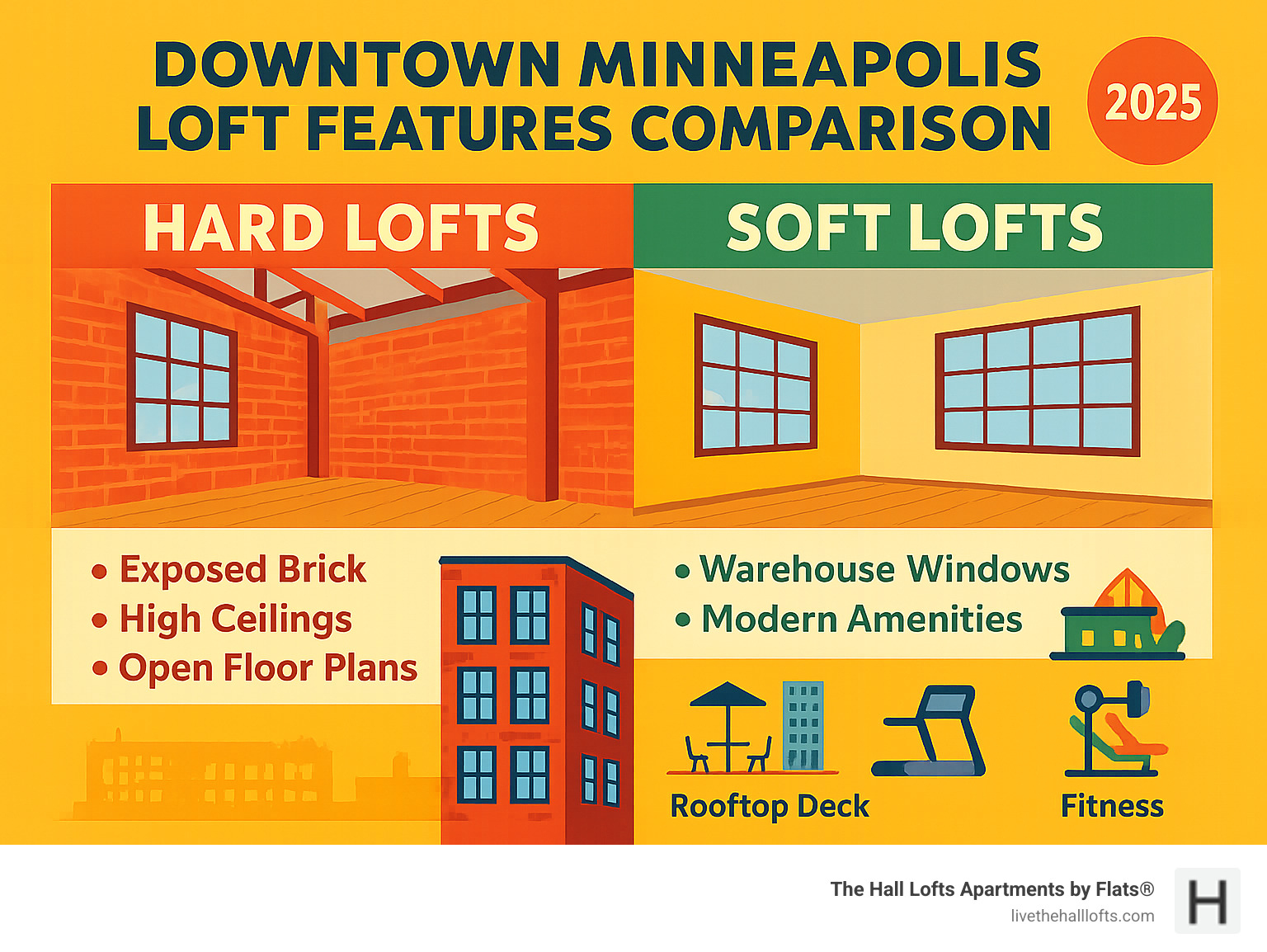
Downtown Minneapolis has transformed from an industrial warehouse district into a thriving residential community. Historic buildings like the former Baker Importing Company (now Smyth Lofts) and converted textile factories show how hard lofts preserve original architectural elements while adding modern conveniences.
The North Loop leads the way with warehouse conversions, while newer soft lofts in areas like the Mill District offer loft-style design in contemporary buildings. Both options provide the open-concept living that defines loft culture.
Modern downtown loft buildings typically include amenities like rooftop terraces, fitness studios, and controlled access. Many welcome pets (up to two per unit) and offer features like in-unit washers and dryers that make urban living convenient.
The downtown skyway system connects many loft buildings to offices, restaurants, and shopping - making car-free living possible even during Minnesota winters.
What Makes a Loft a Loft?
A loft apartment stands apart from traditional units through its signature open layout with minimal interior walls. These spaces feature dramatically high ceilings - sometimes reaching 23 feet - creating an airy, expansive feeling that standard apartments can't match. The defining characteristics include exposed structural elements like brick walls, wooden beams, and original hardwood floors that showcase the building's industrial heritage.
Large factory windows flood loft spaces with natural light, while the open floor plan allows residents to customize their living areas. Many lofts include mezzanine levels that add vertical dimension and create distinct zones for sleeping, working, or storage without traditional room divisions.
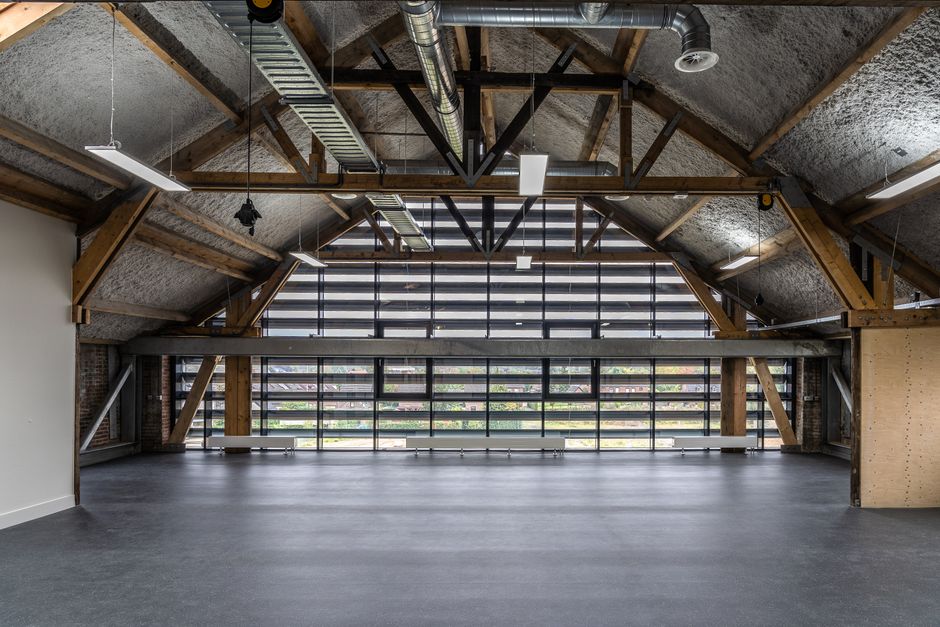
The architectural elements that make lofts special include:
- Exposed brick walls that reveal original construction materials
- Timber beams and metal supports left visible as design features
- Tall windows often arranged in rows along exterior walls
- Original hardwood floors with character marks from industrial use
- High ceilings typically 12-20+ feet tall
- Open floor plans with few or no interior walls
Hard Lofts: Living in History
Hard lofts represent authentic warehouse conversions where developers preserve original architectural elements while adding modern systems. These buildings began life as industrial spaces - textile factories, importing companies, or manufacturing facilities - before change into residential units.
The former Baker Importing Company building, constructed in phases beginning in 1885, exemplifies hard loft conversion. Original tenants included Barrington Hall Soluble Coffee, book binderies, and various commercial enterprises. Today's residents enjoy exposed brick walls, massive timber beams, and factory windows that tell the story of Minneapolis' industrial past.
Hard lofts typically feature:
- Original structural elements like brick walls and wooden beams
- Authentic industrial details including freight elevator shafts and loading dock remnants
- Unique layouts shaped by the building's original purpose
- Character imperfections that add charm and history
- Thick walls that provide natural sound insulation
Soft Lofts: Modern Takes on Tradition
Soft lofts capture the aesthetic appeal of warehouse living through contemporary construction that mimics loft design elements. These newer buildings incorporate high ceilings, open floor plans, and industrial-style finishes while offering modern conveniences and standardized layouts.
Soft loft developments often include features like:
- Designed-in exposed elements such as decorative brick or beam work
- Consistent floor plans that maximize space efficiency
- Modern building systems including central air and updated electrical
- Flexible layouts that can be easily customized
- Contemporary amenities integrated from the ground up
Both hard and soft lofts offer the open-concept living that defines loft culture, but each provides different advantages depending on whether residents prioritize authentic historical character or modern convenience.
Lofts for Rent Downtown Minneapolis: Neighborhood Guide
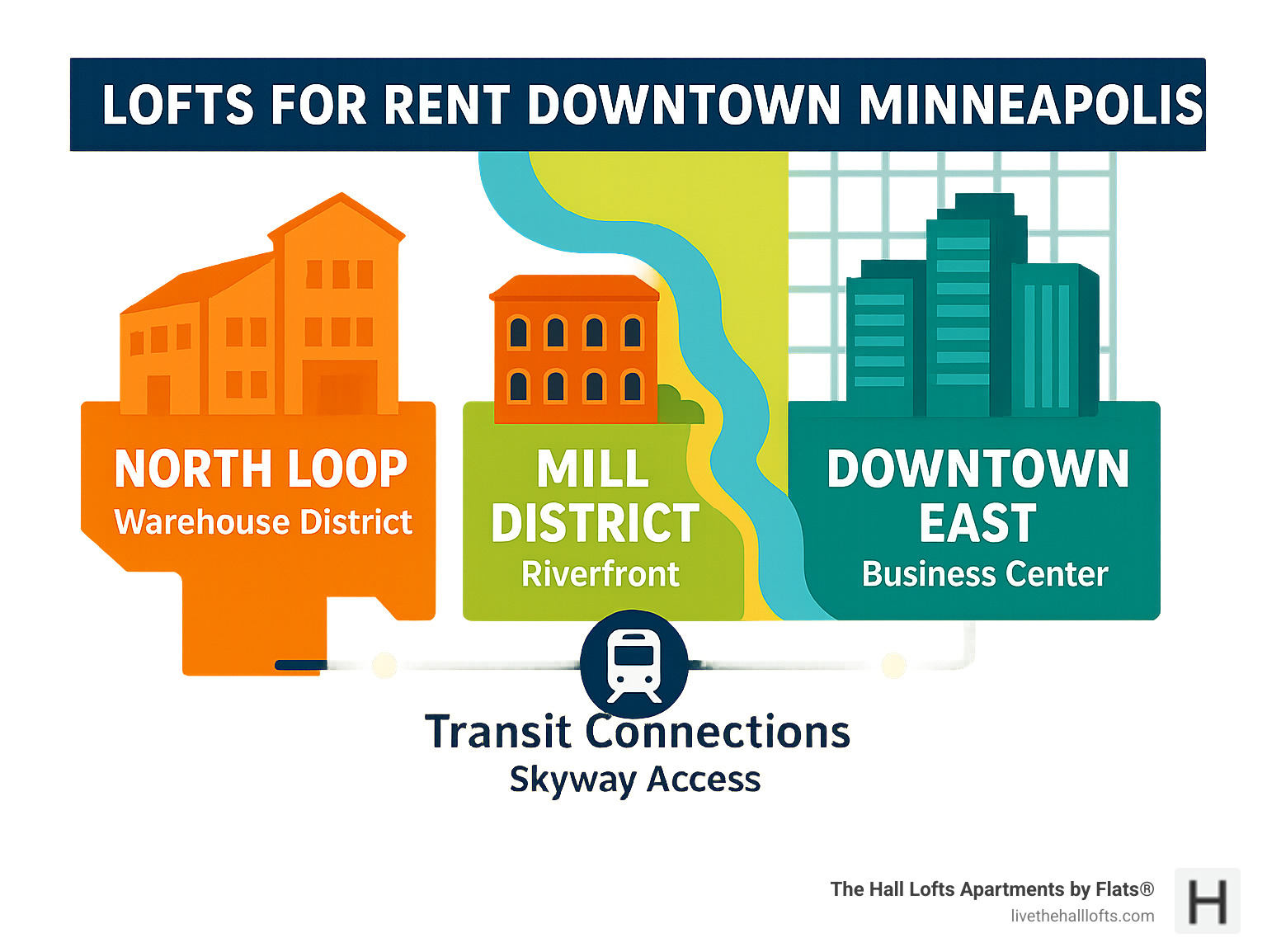
Downtown Minneapolis encompasses several distinct neighborhoods, each offering unique character and amenities for loft living. The North Loop leads as the premier warehouse district, while the Mill District provides riverfront access and cultural attractions. Downtown East offers proximity to business centers and the skyway system that connects buildings year-round.
The Mississippi River forms the eastern boundary of downtown, creating scenic views and recreational opportunities. Major transit hubs including Target Field and the Nicollet Mall provide easy access throughout the metro area. The skyway system - a network of enclosed pedestrian bridges - connects many loft buildings to offices, restaurants, and shopping destinations.
North Loop Vibes: Lofts for Rent Downtown Minneapolis in a Warehouse Wonderland
The North Loop stands as Minneapolis' premier loft district, where historic warehouses have been transformed into modern residential communities. This neighborhood perfectly captures the essence of lofts for rent downtown minneapolis with its concentration of converted industrial buildings and warehouse-style architecture.
The area buzzes with activity from local brewpubs, boutique retail shops, and an active gallery scene. Residents enjoy easy access to bike trails including the Cedar Lake Trail system, while the Mississippi River provides scenic views and recreational opportunities just steps away.
Notable North Loop features include:
- Historic warehouse conversions dating back to the 1880s
- Walkable streets with local restaurants and shops
- Brewery scene with multiple craft beer destinations
- Art galleries and creative spaces
- Bike trail access connecting to citywide path networks
- River proximity for outdoor recreation
The North Loop's industrial heritage shines through preserved architectural details like exposed brick, timber framing, and factory windows. Many buildings feature unique elements such as freight elevator shafts or loading dock areas that have been creatively integrated into modern living spaces.
Mill District Living: Lofts for Rent Downtown Minneapolis beside the Riverfront
The Mill District offers loft living with direct access to the Mississippi River and cultural attractions like the Stone Arch Bridge. This neighborhood blends residential lofts with park spaces, creating opportunities for outdoor recreation within the urban environment.
The historic Saint Anthony Falls area provides a unique setting where residents can enjoy cobblestone streets, riverfront trails, and proximity to cultural venues. The Mill District's location offers the "relaxed side" of downtown living while maintaining easy access to the central business district.
Mill District highlights include:
- Stone Arch Bridge providing iconic city views
- Riverfront trails for walking, biking, and recreation
- Historic mill sites showcasing Minneapolis' flour milling heritage
- Cultural venues and event spaces
- Park access including riverside green spaces
- Quieter atmosphere compared to busier downtown areas
The neighborhood's proximity to the Mississippi River creates unique opportunities for loft residents to enjoy both urban amenities and natural settings. Many buildings offer river views and easy access to trail systems that extend throughout the metro area.
Amenities & Lifestyle Perks in Downtown Loft Buildings
Modern loft buildings in downtown Minneapolis offer amenities that improve urban living while preserving the open, industrial aesthetic that defines loft culture. In-unit laundry has become standard, eliminating the need for shared facilities or laundromat visits. Rooftop decks provide outdoor space with skyline views, while fitness studios offer convenient workout options without gym memberships.
Pet-friendly policies welcome up to two pets per unit, with many buildings including pet wash stations and nearby dog parks. Live+work units combine residential space with professional areas, perfect for creative professionals or remote workers who need dedicated office space.
Smart-home technology integration includes features like keyless entry, programmable thermostats, and high-speed internet connectivity. Some buildings offer campus-style access where residents can use amenities across multiple connected properties, expanding available facilities and community spaces.
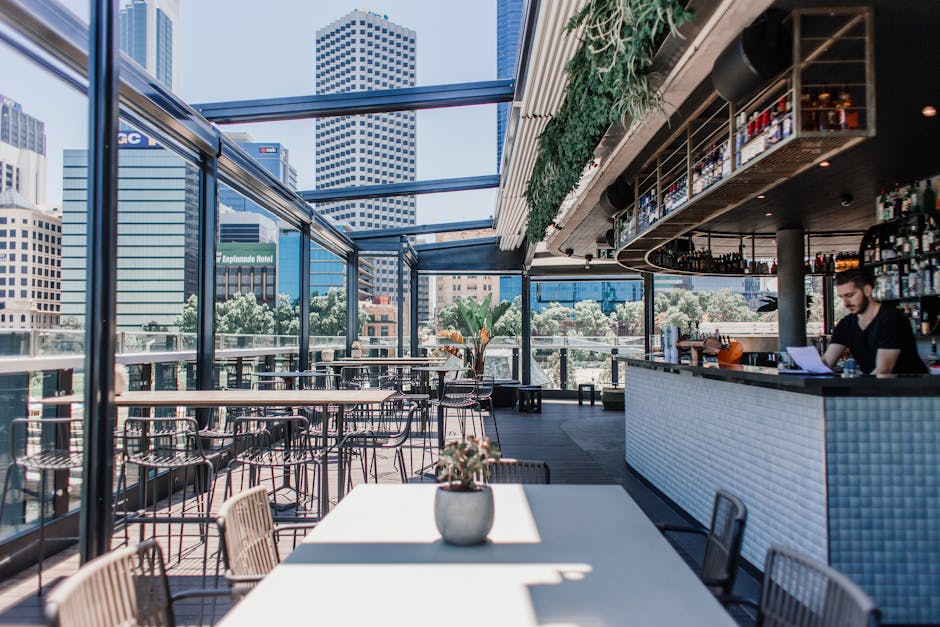
Common loft building amenities include:
- In-unit washers and dryers for convenient laundry
- Rooftop terraces with grilling areas and fire pits
- Fitness centers with modern equipment
- Pet wash stations and grooming areas
- Controlled access for security and convenience
- Underground parking protecting vehicles from weather
- Storage units for additional space
- Business centers with printing and meeting facilities
Many buildings feature unique amenities that reflect their industrial heritage, such as converted freight elevators, exposed mechanical systems as design elements, or repurposed industrial equipment integrated into common areas.
Most-Requested Features in Downtown Loft Living
Floor-to-ceiling windows top the list of desired features, maximizing natural light and providing city views. These large windows, often original factory installations, create the bright, airy atmosphere that defines loft living while connecting residents to the urban environment outside.
Resident lounges serve as community gathering spaces where neighbors can socialize, work, or relax. These areas often feature comfortable seating, WiFi access, and sometimes include amenities like coffee bars or library spaces.
Virtual sports simulators and gaming rooms provide entertainment options within the building, while community kitchens offer space for larger gatherings or cooking projects that exceed individual unit capabilities.
Popular resident-requested features include:
- Floor-to-ceiling windows for maximum light and views
- Resident lounges with comfortable seating and WiFi
- Coffee bars or beverage stations in common areas
- Virtual golf and sports simulation equipment
- Community kitchens for entertaining and events
- Co-working spaces for remote work needs
- Package receiving and concierge services
- EV charging stations for electric vehicle owners
These amenities reflect the lifestyle preferences of downtown loft residents who value both community connection and modern convenience within their urban living environment.
The Renting Process Made Simple
Securing a loft rental in downtown Minneapolis follows a straightforward process that begins with touring available units and ends with move-in coordination. Most buildings offer virtual tours alongside in-person visits, allowing prospective residents to explore spaces remotely before scheduling on-site appointments.
The application process typically requires standard documentation including proof of income, employment verification, and rental history. Credit checks are standard, with most buildings looking for stable financial history rather than perfect credit scores. Security deposits and first month's rent are typically due at lease signing.
Pet policies generally allow up to two pets per unit, with breed restrictions and additional deposits or monthly fees. Many buildings require pet registration and vaccination records. Parking permits may be available for additional monthly fees, with some buildings offering both surface and underground options.
Latest research on fair housing protections
Step-by-Step Guide to Leasing Your Lofts for Rent Downtown Minneapolis
Step 1: Schedule Tours Contact buildings directly to arrange viewing appointments. Many offer both virtual and in-person tours, allowing you to narrow down options before visiting in person. Weekend and evening appointments are often available to accommodate work schedules.
Step 2: Submit Application Complete rental applications with required documentation including:
- Recent pay stubs or employment verification
- Bank statements or financial records
- Previous rental references
- Government-issued identification
- Pet information if applicable
Step 3: Application Review Buildings typically process applications within 24-48 hours. This includes credit checks, employment verification, and reference contacts. Some buildings offer conditional approval pending final documentation.
Step 4: Lease Signing Review lease terms carefully, including rent amount, lease duration, pet policies, and amenity access. Sign the lease agreement and submit required deposits and first month's rent.
Step 5: Move-In Coordination Schedule move-in dates and coordinate with building management for key pickup, parking arrangements, and any needed moving assistance like freight elevator reservations.
Fair Housing & Equal Opportunity Basics
All loft buildings must comply with fair housing laws that ensure equal access regardless of race, color, religion, sex, national origin, familial status, or disability. These protections apply to all aspects of the rental process from advertising through lease termination.
Buildings must provide reasonable accommodations for residents with disabilities and cannot discriminate based on protected characteristics. Rental criteria must be applied consistently to all applicants, with transparent qualification standards available upon request.
Understanding these protections helps ensure a smooth rental process where all prospective residents receive equal treatment and consideration based on legitimate rental criteria such as income, credit history, and rental references.
Frequently Asked Questions about Downtown Loft Living
What sizes and layouts are typical for downtown Minneapolis lofts?
Downtown Minneapolis lofts range from compact studios around 500-700 square feet to spacious three-bedroom units exceeding 2,000 square feet. The Factory Lofts offers 3- and 4-bedroom layouts spanning 1,449 to 2,105 square feet, while many buildings feature 1-3 bedroom options with flexible open floor plans.
Studio lofts typically feature one large open room with high ceilings and separate bathroom facilities. One-bedroom lofts often include a defined sleeping area or mezzanine level while maintaining the open-concept living space. Two and three-bedroom units may have partial walls or room dividers while preserving the loft's signature open feel.
Unique layout features include:
- Mezzanine levels that create additional space without traditional rooms
- Open floor plans with minimal interior walls
- High ceilings ranging from 12-23 feet
- Large windows providing abundant natural light
- Flexible spaces that can be customized for different uses
How close are loft buildings to transit, employers, and universities?
Downtown Minneapolis lofts offer excellent connectivity to major employers, universities, and public transit. The skyway system connects many buildings to downtown offices, while Target Field and other transit hubs provide access throughout the metro area.
Major employers within walking distance include Target Corporation headquarters, US Bank, and numerous professional services firms. The University of Minnesota Twin Cities campus is accessible via public transit, while smaller institutions like North Central University and Minneapolis College are nearby.
Transit options include:
- Metro Transit light rail connecting to MSP Airport and Mall of America
- Bus rapid transit serving major corridors
- Bike share programs with stations throughout downtown
- Skyway system for weather-protected walking
- Northstar Commuter Rail for suburban connections
Many loft residents enjoy Walk Scores of 81 or higher, indicating excellent walkability for daily errands and activities without requiring a car.
What should renters consider about parking, noise, and building age?
Parking availability varies significantly between buildings, with some offering underground heated garages while others provide surface lots or street parking only. Monthly parking fees typically range from reasonable to premium depending on location and amenities. Some buildings include parking in rent while others charge separately.
Noise considerations depend on building construction and location. Hard lofts with thick brick walls often provide better sound insulation than newer construction, while units facing busy streets may experience more traffic noise. Many residents appreciate the urban soundscape as part of downtown living.
Building age affects both character and systems:
- Historic buildings offer authentic architectural details but may have older mechanical systems
- Newer construction provides modern conveniences with contemporary building systems
- Recently renovated properties blend historical charm with updated infrastructure
- Adaptive reuse projects preserve character while adding modern amenities
Consider factors like:
- HVAC systems and energy efficiency
- Elevator access especially for upper floors
- Sound insulation between units and from street noise
- Parking availability and associated costs
- Building maintenance and management responsiveness
Conclusion
Downtown Minneapolis offers an exceptional selection of lofts for rent downtown minneapolis that blend industrial heritage with modern urban living. From authentic warehouse conversions in the North Loop to contemporary loft-style buildings in the Mill District, these spaces provide the open-concept living and architectural character that define loft culture.
The Hall Lofts by Flats® exemplifies this perfect balance, offering renovated warehouse apartments that preserve historical charm while providing contemporary amenities like in-unit laundry and pet-friendly spaces. Our North Loop location puts residents at the heart of Minneapolis' most vibrant warehouse district, with easy access to dining, entertainment, and the Mississippi River.
Whether you choose a hard loft with exposed brick and timber beams or a soft loft with modern finishes and flexible layouts, downtown Minneapolis provides the urban lifestyle and community connections that make loft living special. The combination of historical architecture, modern amenities, and walkable neighborhoods creates an environment where residents can truly accept downtown living.