Why Mill District Lofts Offer Minneapolis' Best Industrial-Chic Living
Lofts for rent in mill district minneapolis combine historic flour mill architecture with modern urban amenities in one of the city's most walkable neighborhoods. Currently, there are 8 loft apartments available for rent in the Mill District, with options ranging from converted historic mills to new construction high-rises.
Quick Overview: Mill District Loft Rentals
- Available Units: 8 loft apartments currently on the market
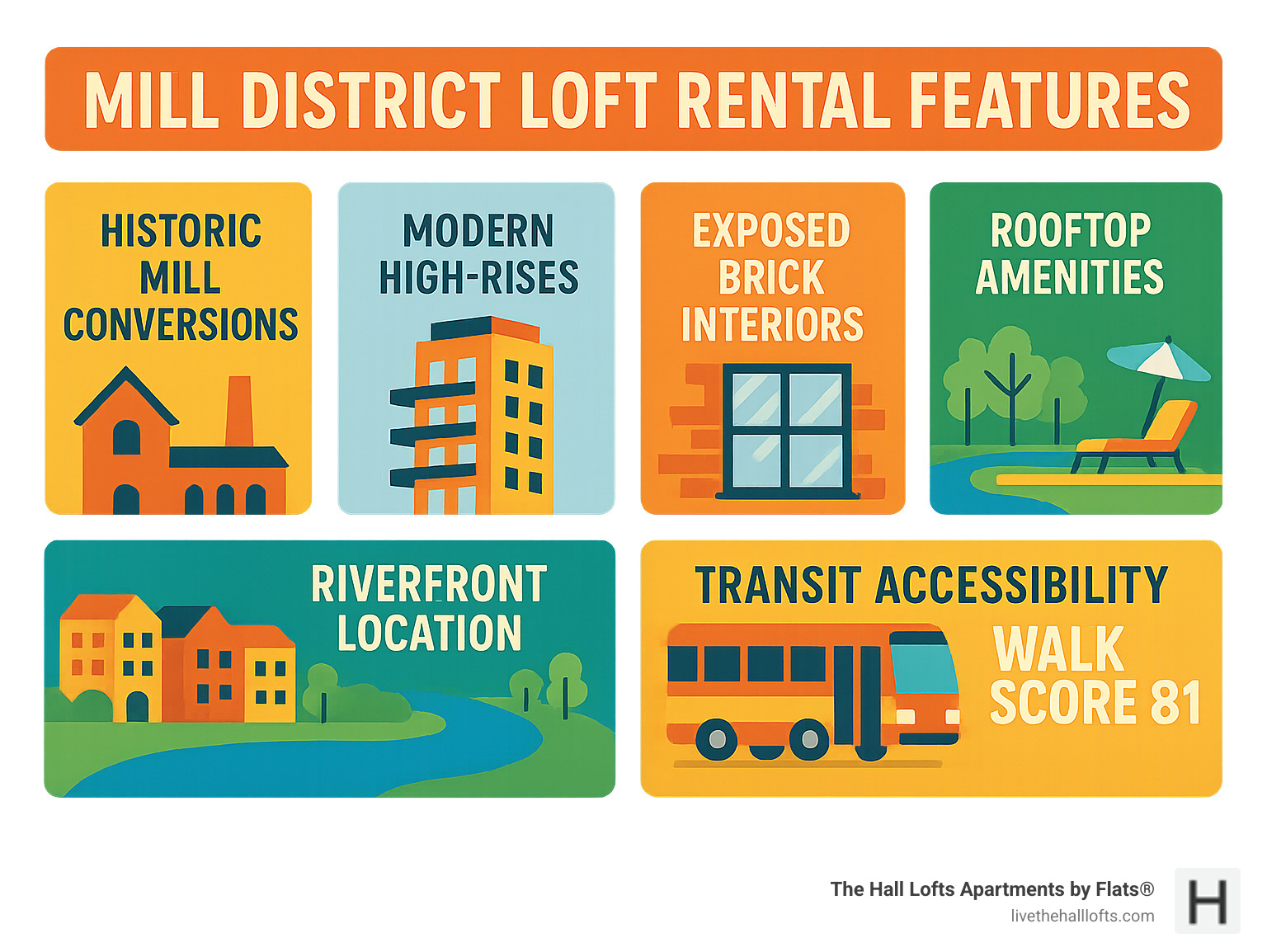
- Building Types: Historic flour mill conversions and modern high-rises
- Key Features: Exposed brick, high ceilings, floor-to-ceiling windows, rooftop decks
- Transit Score: 81 (highly accessible via public transportation)
- Neighborhood: Walkable riverfront district with dining, entertainment, and cultural venues
The Mill District sits along the Mississippi River where Minneapolis once reigned as the flour milling capital of the world. Today, those same historic structures - including the famous Pillsbury A-Mill from the 1880s - have been transformed into unique residential lofts that preserve their industrial heritage while offering contemporary living spaces.
These converted mills and modern loft buildings feature the signature elements that define loft living: open floor plans with minimal interior walls, exposed brick and timber beams, and abundant natural light through oversized windows. Many buildings offer premium amenities like rooftop decks with downtown skyline views, fitness centers, and pet-friendly policies.
The neighborhood's transit score of 81 means residents can easily access downtown Minneapolis, the University of Minnesota, and other key destinations without a car. The Stone Arch Bridge, Mill City Museum, and Guthrie Theater are all within walking distance, creating a vibrant cultural hub.
Why the Mill District Stands Out
The Mill District's unique character stems from its remarkable change from industrial powerhouse to cultural destination. This historic neighborhood along the Mississippi River offers an best combination of preserved architecture, modern amenities, and vibrant community life that sets it apart from other Minneapolis neighborhoods.
The district's location provides spectacular downtown views while maintaining a more relaxed atmosphere than the busy city center. Residents enjoy cobblestone streets lined with sidewalk cafés, direct access to the 72-mile Mississippi River National Recreation Area, and proximity to renowned cultural institutions like the Guthrie Theater and Mill City Museum.
What makes the Mill District particularly special is its successful adaptive reuse of historic structures. Many of the neighborhood's most distinctive buildings began life as grain elevators and flour mills in the 1800s, creating a living museum of Minneapolis' industrial heritage. The preservation of these structures, combined with thoughtful modern additions, creates an architectural landscape found nowhere else in the Twin Cities.
The riverfront location provides year-round recreational opportunities, from riverside trails perfect for jogging and cycling to scenic parks ideal for outdoor gatherings. The Stone Arch Bridge, a pedestrian-only crossing, connects residents directly to downtown Minneapolis while offering some of the city's most photographed views.
Flour-Power Origins
Minneapolis earned its reputation as the "Mill City" during the late 1800s when it became the flour milling capital of the world. The combination of St. Anthony Falls' water power and proximity to wheat-growing regions created the perfect conditions for large-scale flour production.
The Pillsbury A-Mill, constructed in the 1880s, exemplifies this industrial heritage. Originally designed to hold 130,000 bushels of grain, this massive structure sat vacant for 20 years after 2003 before being renovated into residential lofts. The building's thick walls, high ceilings, and robust construction - features that made it ideal for industrial use - now create the distinctive character that loft residents love.
Other historic structures in the district tell similar stories of change. The Humboldt Lofts occupy a building from 1878 that combines the original mill structure with a modern annex, creating a unique blend of historic and contemporary architecture. These conversions preserve the neighborhood's industrial character while meeting modern living standards.
The grain elevators that once dominated the skyline have been reimagined as residential towers, their original iron cladding and brick construction providing both durability and distinctive aesthetics. This adaptive reuse approach has created a neighborhood where history and modernity coexist seamlessly.
Lofts for Rent in Mill District Minneapolis: Styles, Buildings, and Signature Features

The Mill District offers two distinct categories of loft living: historic conversions and modern high-rises. Each type brings unique advantages, from the character-rich features of converted mills to the contemporary amenities of new construction buildings.
Historic conversions typically feature exposed brick walls, original hardwood floors, and factory-style windows that flood spaces with natural light. These buildings often retain industrial elements like exposed beams and ductwork, creating the authentic loft aesthetic many residents seek. The thick walls and solid construction of these former mills provide excellent sound insulation and energy efficiency.
Modern high-rises like The Legacy offer loft-style interiors with contemporary amenities. These buildings feature floor-to-ceiling windows, open layouts, and high-end finishes while incorporating design elements that echo the neighborhood's industrial heritage. The newest developments often include smart home features, energy-efficient systems, and premium appliances.
Both building types commonly offer rooftop amenities that take advantage of the Mill District's scenic location. Rooftop decks provide panoramic views of the Mississippi River, downtown Minneapolis skyline, and the historic Stone Arch Bridge. Many include outdoor kitchens, fire pits, and seating areas perfect for entertaining or relaxation.
Historic Conversions & New Builds
Historic loft conversions in the Mill District showcase remarkable architectural preservation. The A-Mill Artist Lofts, housed in the former Pillsbury A-Mill, demonstrate how industrial structures can be transformed into vibrant residential communities. These lofts feature luxury finishes, high ceilings, and large windows while maintaining the building's historic character.
The Humboldt Lofts represent another successful conversion, combining a structure from 1878 with a modern annex. This 36-unit building offers sizes ranging from 2,700 to 4,000 square feet, with features like private balconies and rooftop deck access. The building's association fees cover comprehensive services including heating, air conditioning, and building maintenance.
New construction buildings like The Legacy bring contemporary design to the historic district. This 17-story high-rise contains 374 units with loft-like interiors, underground parking, and resort-style amenities. The building's modern systems and energy-efficient design complement the neighborhood's historic character while providing the conveniences today's residents expect.
Live-work spaces represent a growing trend in Mill District loft development. These units combine residential living areas with dedicated workspace, perfect for artists, entrepreneurs, and remote workers. The A-Mill Artist Lofts specifically cater to creative professionals, offering shared studios for painting, photography, and dance alongside residential units.
Amenities That Define Loft Living
Mill District lofts consistently offer amenities that improve the urban living experience. In-unit laundry facilities are standard in most buildings, providing convenience that busy professionals appreciate. Full-size washers and dryers eliminate the need for shared laundry facilities or trips to laundromats.
Fitness amenities vary by building but often include well-equipped fitness centers, yoga studios, and specialized features like Finnish cedar saunas. Some buildings offer virtual sports simulators and dedicated spaces for activities like barre classes. These amenities support active lifestyles without requiring gym memberships.
Pet-friendly policies are common throughout the district, with many buildings offering dedicated amenities for furry residents. Rooftop dog runs, on-site pet washing stations, and nearby dog parks make the Mill District particularly appealing to pet owners. The proximity to riverside trails provides excellent walking opportunities for dogs and their owners.
Storage solutions address the practical needs of loft living. While lofts offer open, spacious layouts, many buildings provide additional storage units, walk-in closets, and built-in storage solutions. Underground parking protects vehicles from Minnesota weather while providing convenient access to residential units.
At The Hall Lofts Apartments by Flats®, we understand that modern loft living requires thoughtful amenities. Our Amenities blend the historic charm of warehouse architecture with contemporary conveniences that improve daily life.
Notable Loft Features in the Mill District Minneapolis
The Mill District's loft buildings distinguish themselves through unique architectural features and specialized amenities. Exposed brick walls, a hallmark of industrial architecture, provide both visual interest and excellent thermal mass for temperature regulation. These walls often showcase the craftsmanship of 19th-century builders while creating distinctive living spaces.
High ceilings, often 12 feet or more, create a sense of spaciousness that defines loft living. Combined with large windows, these tall spaces feel open and airy even in compact floor plans. The vertical space also allows for creative furniture arrangements and loft-style sleeping areas in studio units.
Floor-to-ceiling windows maximize natural light and provide stunning views of the Mississippi River, downtown skyline, or historic neighborhood streetscapes. These oversized windows, originally designed for industrial lighting needs, now frame the changing seasons and city lights like living artwork.
Community spaces in Mill District lofts often reflect the neighborhood's cultural character. Some buildings feature gallery spaces showcasing local artists' work, while others include chef's kitchens for resident events and entertaining. These shared amenities foster community connections while providing spaces for activities that individual units might not accommodate.
For those interested in exploring specific loft options, Mill District Apartments for Rent provides comprehensive listings of available units throughout the neighborhood.
Navigating the Rental Process: From Search to Move-In

The process of securing a Mill District loft typically begins with online research and virtual tours. Most buildings offer comprehensive websites with floor plans, amenity details, and photo galleries. Virtual tours have become increasingly sophisticated, allowing prospective residents to explore units remotely before scheduling in-person visits.
Application requirements for Mill District lofts generally include proof of income, credit history verification, and references from previous landlords. Many buildings require income to be at least three times the monthly rent, though some participate in affordable housing programs with different qualification criteria. The application process has been streamlined through digital platforms, making it possible to complete applications quickly and efficiently.
Pet policies vary by building but are generally accommodating throughout the Mill District. Most buildings welcome cats and dogs with reasonable restrictions on size and breed. Pet deposits and monthly pet fees are common, and some buildings limit residents to two pets per unit. The neighborhood's pet-friendly atmosphere, including nearby dog parks and riverside trails, makes it particularly attractive to pet owners.
Security deposits typically equal one month's rent, though some buildings offer alternatives like security deposit insurance. Renters insurance is commonly required, providing protection for personal belongings while reducing liability for property owners. Many buildings can recommend insurance providers or offer group policies for residents.
How to Secure Lofts for Rent in Mill District Minneapolis
The competitive nature of lofts for rent in mill district minneapolis means preparation is essential for securing desirable units. Having all required documentation ready before beginning the search process can make the difference between securing a preferred unit or missing out to another applicant.
Digital applications have become the standard, with most buildings accepting online submissions through property management platforms. These systems allow applicants to upload documents, complete background checks, and even digitally sign lease agreements. The convenience of digital processing often means faster approval times and quicker move-in dates.
Proof of income requirements typically include recent pay stubs, tax returns, and bank statements. Self-employed applicants may need additional documentation like profit and loss statements or client contracts. Having these documents organized and readily available streamlines the application process significantly.
Credit scores play a crucial role in approval decisions, with most buildings requiring scores of 600 or higher. Applicants with lower credit scores may still qualify with additional security deposits or co-signers. Being upfront about credit challenges and providing explanations for any negative marks can help during the review process.
For current residents, platforms like Tenant Login Tenant LoginMaintenance RequestPay Rent provide convenient access to account management, rent payments, and maintenance requests.
Current Incentives & Specials
Mill District loft buildings frequently offer move-in incentives to attract quality residents. These promotions can include one month of free rent, reduced security deposits, or waived application fees. The timing of these offers often coincides with seasonal rental patterns, with the most attractive deals typically available during winter months.
Limited-time offers create urgency in the rental market, with some buildings offering significant incentives for applicants who can move in by specific dates. These promotions might include free parking for a certain period, complimentary storage units, or credits toward utility bills.
Flexible lease terms have become more common, with some buildings offering options beyond the traditional 12-month lease. Short-term rentals, month-to-month options after an initial lease period, and corporate housing arrangements provide alternatives for residents with varying needs.
Move-in specials often target specific demographics or unit types. Some buildings offer special rates for students, military personnel, or corporate relocations. Others might provide incentives for residents willing to sign longer-term leases or move into less popular unit configurations.
To explore current availability and schedule a personalized tour, visit Schedule a Tour to see how Mill District loft living might fit your lifestyle.
Mill District Lifestyle: Walkability, Parks, Transit, and Beyond

The Mill District's exceptional walkability, reflected in its transit score of 81, makes it one of Minneapolis' most pedestrian-friendly neighborhoods. This high score means most errands can be accomplished on foot, reducing dependence on personal vehicles and contributing to a more sustainable lifestyle.
The neighborhood's location along the Mississippi River provides immediate access to extensive trail systems. The Mississippi River National Recreation Area spans 72 miles, offering hiking, biking, and jogging opportunities right outside residents' doors. The Stone Arch Bridge serves as a pedestrian-only connection to downtown Minneapolis, providing both transportation and recreation in one scenic route.
Light rail access improves the neighborhood's connectivity, with stations just blocks away from most Mill District lofts. This transit connection provides direct routes to the University of Minnesota, Minneapolis-St. Paul International Airport, and other key destinations throughout the Twin Cities metropolitan area.
The neighborhood's dining scene reflects its cultural diversity and historic character. Restaurants range from casual sidewalk cafés to upscale establishments, many occupying converted historic buildings that complement the area's architectural heritage. The nearby farmers market provides fresh, local produce and artisanal goods, supporting both healthy eating and community connections.
Cultural venues within walking distance include the Guthrie Theater, Mill City Museum, and various galleries showcasing local artists. These institutions provide year-round entertainment and educational opportunities, creating a rich cultural environment that improves daily life for residents.
Comparing Mill District Living to Other Minneapolis Neighborhoods
The Mill District offers a unique position between the busy North Loop and the quieter residential areas south of downtown. While the North Loop provides more nightlife and retail options, the Mill District offers a more relaxed atmosphere with better access to outdoor recreation along the river.
Compared to the Warehouse District, the Mill District provides more green space and recreational opportunities while maintaining similar historic character and urban amenities. The riverfront location gives Mill District residents access to natural areas that other downtown neighborhoods lack.
The Longfellow neighborhood, while more residential, lacks the Mill District's walkability and cultural amenities. Mill District residents enjoy the convenience of urban living with easy access to downtown employment centers, while Longfellow residents often require longer commutes to reach the city center.
The Mill District's community vibe strikes a balance between urban energy and neighborhood feel. The historic buildings and cobblestone streets create a sense of place that newer developments often lack, while the concentration of cultural institutions provides intellectual stimulation and social opportunities.
For those interested in exploring the broader area, Explore North Loop Neighborhood provides insights into the adjacent district that complements Mill District living.
Frequently Asked Questions about Lofts for Rent in Mill District Minneapolis
Prospective residents often have specific questions about Mill District loft living. Understanding these common concerns can help in making informed decisions about whether this neighborhood and housing type align with personal preferences and lifestyle needs.
Parking arrangements vary significantly between buildings, with some offering underground heated parking while others rely on street parking or nearby lots. Most newer buildings include parking in rent or offer it for an additional monthly fee. The neighborhood's walkability and transit access mean many residents find they use their cars less frequently than in other areas.
Pet policies are generally accommodating, with most buildings welcoming cats and dogs. However, specific restrictions on size, breed, and number of pets vary by building. Pet fees typically include both deposits and monthly charges, and some buildings offer premium pet amenities like grooming stations and dedicated exercise areas.
What types of loft layouts are most common?
Mill District lofts typically feature open floor plans with minimal interior walls, creating flexible living spaces that residents can configure according to their needs. Studio lofts often include sleeping areas separated by partial walls or liftd platforms, while one-bedroom units might have distinct sleeping areas with floor-to-ceiling windows.
Two-bedroom lofts in converted mills often feature unique layouts that reflect the building's original industrial use. These might include split-level designs, mezzanine sleeping areas, or bedrooms with exposed brick accent walls. The irregular shapes and features of historic buildings create distinctive floor plans not found in conventional apartments.
Modern loft buildings tend to offer more standardized layouts while maintaining the open, spacious feel that defines loft living. These units often include features like kitchen islands, walk-in closets, and private balconies that improve functionality while preserving the loft aesthetic.
Live-work units combine residential space with dedicated work areas, perfect for artists, consultants, and entrepreneurs. These layouts might include separate entrances for business use, improved electrical systems for equipment, and flexible spaces that can serve multiple functions.
How transit-friendly is the Mill District?
The Mill District's transit score of 81 reflects excellent public transportation access that reduces the need for personal vehicles. Light rail stations within walking distance provide direct connections to major destinations throughout the Twin Cities, including the University of Minnesota and Minneapolis-St. Paul International Airport.
Bus routes serve the neighborhood with frequent service to downtown Minneapolis, surrounding neighborhoods, and suburban destinations. The proximity to downtown means many residents can walk to work, while others rely on the extensive transit network for daily commuting needs.
The neighborhood's bike-friendly infrastructure includes dedicated bike lanes, secure bike storage in many buildings, and direct access to regional trail systems. Many residents find that cycling provides an efficient and enjoyable way to steer both the immediate area and longer distances throughout Minneapolis.
The Stone Arch Bridge provides a unique pedestrian and bicycle connection to downtown Minneapolis, offering both transportation and recreation in one scenic route. This car-free crossing eliminates traffic concerns while providing spectacular views of the Mississippi River and city skyline.
Are income-restricted lofts available?
Several Mill District buildings participate in affordable housing programs that provide income-restricted units. These programs typically require residents to meet specific income limits based on area median income, with some buildings also having student status or artist requirements.
The A-Mill Artist Lofts specifically cater to creative professionals, offering income-restricted units with additional requirements related to artistic practice. These units provide the same high-quality amenities as market-rate apartments while maintaining affordability for artists and creative professionals.
Application processes for income-restricted units often include additional documentation requirements and longer processing times. Interested applicants should contact buildings directly to understand specific qualification criteria and application procedures.
Waiting lists for income-restricted units can be lengthy due to high demand and limited availability. Prospective residents should apply early and consider multiple buildings to increase their chances of securing affordable housing in the Mill District.
Conclusion
The Mill District represents Minneapolis' most successful change of industrial heritage into modern urban living. The neighborhood's lofts for rent in mill district minneapolis offer an best combination of historic character, contemporary amenities, and cultural richness that appeals to a diverse range of residents.
From the preserved brick walls and soaring ceilings of converted flour mills to the modern conveniences of new construction high-rises, Mill District lofts provide living spaces that honor the past while embracing the future. The neighborhood's walkability, transit access, and riverfront location create a lifestyle that balances urban convenience with natural beauty.
At The Hall Lofts Apartments by Flats®, we understand the appeal of heritage-meets-modern living that defines the Mill District experience. Our renovated warehouse spaces in Minneapolis' North Loop capture the same industrial charm and contemporary comfort that make Mill District lofts so desirable.
Whether you're drawn to the artistic community at converted mills, the luxury amenities of modern high-rises, or the cultural richness of this historic neighborhood, the Mill District offers loft living experiences that reflect Minneapolis' unique character and forward-thinking spirit.
Ready to find your perfect Mill District loft? Explore our Floorplans and book a personalized tour today to experience the best of Minneapolis' industrial-chic living.