

What Makes Industrial Apartments Stand Out in Today's Housing Market
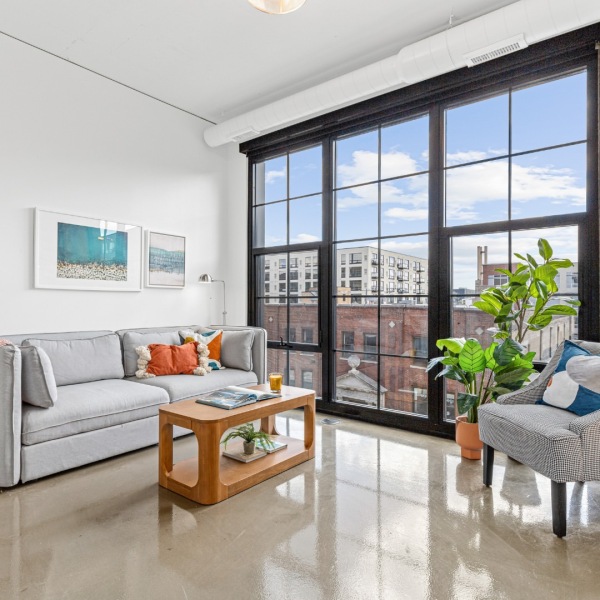
Industrial apartments are converted warehouse and factory buildings that blend historic architecture with modern living spaces. These distinctive homes feature soaring 14-16 foot ceilings, expansive factory windows, exposed brick walls, and open floor plans that typically span at least 1,000 square feet.
Key Features of Industrial Apartments:
- High Ceilings: 14-16 feet (compared to 8-10 feet in traditional apartments)
- Large Windows: Often 10+ feet tall, flooding spaces with natural light
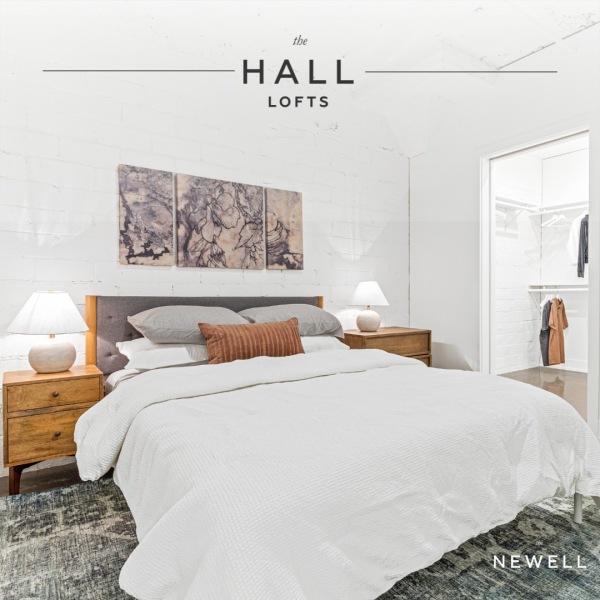
- Exposed Elements: Original brick, concrete floors, wooden beams, and visible ductwork
- Open Floor Plans: Minimal interior walls, creating flexible living spaces
- Historic Character: Buildings dating from the 1880s-1940s with authentic architectural details
The story of industrial apartments began in 1950s Manhattan, where artists illegally converted abandoned factories in neighborhoods like Tribeca and SoHo into live-work studios. What started as makeshift creative spaces gradually became legal through zoning changes in the 1970s. By the 1980s and 1990s, developers recognized the appeal of these raw, spacious environments and began formal conversions of historic industrial buildings.
Today, cities like Minneapolis, Atlanta, Phoenix, and Chicago have transformed former cotton mills, automotive plants, and manufacturing facilities into sought-after residential communities. These spaces appeal to those who value authenticity, creative freedom, and the unique character that only century-old industrial architecture can provide.
Unlike traditional apartments with standard layouts and cookie-cutter finishes, industrial apartments offer something genuinely different. Each building tells a story through preserved architectural elements—whether it's the 18-20 foot ceilings of a former cotton mill or the massive factory windows that once lit assembly lines.

The Architectural Appeal of Industrial Apartments
The primary draw of an Industrial Warehouse Apartment lies in its architectural "bones." These structures were originally designed for heavy machinery, large-scale production, and massive inventory storage. When converted for residential use, these utilitarian requirements translate into a living experience defined by volume and light.

Ceiling heights in authentic Warehouse Loft Style Apartments typically range from 14 to 16 feet, though some historic mill conversions can reach heights of up to 25 feet. This vertical space creates an airy atmosphere that traditional 8-foot-ceiling apartments cannot replicate. Complementing these heights are massive factory windows, often 10 feet tall or more, which were originally necessary to provide light to workers before the era of widespread electric lighting.
The material palette of these spaces is equally distinctive. Exposed brick walls provide natural texture and warmth, while concrete floors offer a sleek, durable surface that reflects the building's industrial heritage. Structural elements like heavy timber beams or reinforced concrete pillars are often left visible, serving as functional art within the home.
Living with Pets in Industrial Apartments
Warehouse Apartments are often a practical choice for pet owners due to their durable construction. Concrete or original hardwood floors are resilient and easier to maintain than standard apartment carpeting. The open floor plans provide ample room for pets to move freely without the constraints of narrow hallways.
Most Converted Warehouse Apartments maintain pet-friendly policies, typically allowing up to two pets per home. Many of these communities offer specific amenities such as on-site dog parks or pet wash stations. In Minneapolis' North Loop, the proximity to the National Mississippi River Park and various urban trails makes it convenient for residents to access green spaces for daily walks.
Design Tips for Industrial Apartments
Decorating an Industrial Warehouse Apartment requires a balance between honoring the raw, hard surfaces and introducing comfort. Because these spaces feature high ceilings and large windows, they can feel vast; the goal is to create defined "zones" without losing the open feel.
Effective Design Strategies:
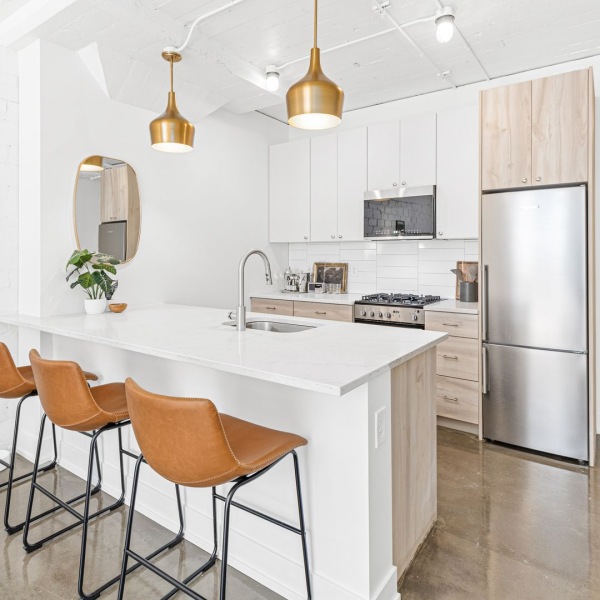
- Warm Lighting: Lighting with a color temperature of 2700K to 3000K is ideal. Large-scale pendant lights can help "lower" the ceiling over dining areas, creating a more intimate feel.
- Soft Textiles: Concrete floors and brick walls are balanced with large area rugs, plush sofas, and heavy curtains. These items also serve a dual purpose by helping to absorb sound.
- Indoor Greenery: Plants thrive in the abundant natural light provided by factory windows. Large potted trees or hanging plants add organic shapes to the linear industrial environment.
- Industrial Chic Furniture: A mix of reclaimed wood, metal accents, and leather complements the building's history.
The Complete Warehouse Apartment Guide provides a deeper dive into styling these spaces.
The Evolution and Classification of Loft Spaces
The transition of industrial buildings from centers of production to luxury residences is a process known as adaptive reuse. This practice preserves the architectural integrity of historic neighborhoods while providing modern housing solutions.
The movement began in the mid-20th century. As manufacturing moved out of city centers, massive warehouses were left vacant. Artists were the first to see the potential in these spaces, utilizing the high ceilings and natural light for large-scale paintings and sculptures. Over time, zoning laws were updated to allow for residential occupancy, leading to the diverse range of loft styles available today.
Types of Loft Spaces: Hard Lofts, Timber Lofts, and Soft Lofts
Not all lofts are created equal. Understanding the terminology is essential when searching for the right space.
| Feature | Hard Loft | Timber Loft | Soft Loft |
|---|---|---|---|
| Origin | Authentic conversion of old factory/warehouse | A "Hard Loft" specifically featuring wood beams/columns | New construction designed to look like a loft |
| Ceiling Height | 14-16+ feet | 14-16+ feet | 10-12 feet |
| Materials | Concrete, brick, steel | Exposed wood, brick, timber | Drywall, modern finishes, some brick accents |
| Aesthetics | Raw, industrial, historic | Warm, rustic, historic | Modern, polished, "industrial-inspired" |
Authentic Historic Warehouse Lofts Minneapolis are typically "Hard Lofts" or "Timber Lofts." These buildings, such as those built in the late 1800s or early 1900s, feature the original structural DNA of the city's milling and manufacturing heyday.
Notable Loft Conversions
Minneapolis, particularly the North Loop (Warehouse District), is home to several significant adaptive reuse projects. Many of these buildings are listed on the National Historic Register. Examples include former candy companies, book binderies, and coffee importing facilities that have been meticulously renovated into residential communities.
These projects often retain unique historical remnants, such as original skywalks, vintage signage, or even preserved graffiti, which add a layer of "soul" that new constructions cannot replicate. Information regarding these specific locations is available in the Minneapolis Industrial Lofts Guide.
Essential Features and Modern Amenities
While the exterior and structural elements are historic, the interiors of a modern Warehouse Studio Apartment or multi-bedroom loft are equipped with contemporary conveniences.
Common Industrial Features:
- Exposed Ductwork and Piping: Instead of being hidden behind drywall, the building's mechanical systems are often left visible and painted to match the aesthetic.
- Original Materials: This includes century-old brickwork, reinforced concrete pillars, and massive timber support beams.
- Smart Technology: Many renovations incorporate smart thermostats and energy-efficient lighting to help manage the large volume of space.
Modern Community Amenities:
- Fitness Centers: Often featuring high-end equipment like power racks and cardio machines.
- Rooftop Decks: Providing outdoor community space with views of the city skyline or nearby riverfronts.
- Indoor Parking: Essential for urban living in climates like Minneapolis.
- Campus-Style Living: Some developments offer shared amenities across multiple adjacent historic buildings, giving residents access to multiple gyms or community lounges.
Authentic Warehouse Lofts
An authentic Industrial Warehouse Apartment is defined by its history. For instance, buildings constructed in the late 19th century as part of a city's industrial core offer a connection to the past. These spaces often feature 49 to 100+ unique floor plans, as the conversion process must work around the existing historic structure rather than following a standardized template.
Strategies for Open-Plan Design and Privacy
One of the most common questions regarding Warehouse Loft Style Apartments is how to manage privacy and organization in a space with few interior walls.
Space Management Solutions:
- Room Dividers: Open-backed bookshelves are a popular choice. They provide storage and define a "bedroom" or "office" area without blocking natural light.
- Sliding Barn Doors: These fit the industrial aesthetic perfectly and can be used to close off bathrooms or closets.
- Acoustic Management: Because of the hard surfaces (brick, concrete, glass), sound can travel. Using soft furnishings, wall tapestries, and acoustic panels helps diffuse echo.
- Vertical Storage: With 14-foot ceilings, the "upper half" of the room is often underutilized. High shelving units and lofted sleeping areas maximize the square footage.
Frequently Asked Questions about Industrial Living
How is climate control managed in a warehouse loft?
Because of the high ceilings and large windows, heating and cooling a loft involves managing a larger volume of air than a traditional apartment. However, modern renovations often include high-efficiency HVAC systems and updated window seals to maintain comfort. Using ceiling fans to circulate air and heavy window treatments to provide insulation during peak summer or winter months also assists in maintaining a consistent temperature.
What is the difference between a loft and a traditional apartment?
The main difference is the layout and architectural intent. Traditional apartments are designed with specific rooms separated by walls. A loft is essentially a "blank canvas" of open space. Lofts also prioritize vertical space and raw materials, whereas traditional apartments focus on finished surfaces and defined functionality for every square foot.
How is sound managed in an open-plan loft?
Managing sound in an Industrial Warehouse Apartment is about breaking up flat, hard surfaces. Sound waves bounce off concrete and brick. By introducing "soft" elements—such as area rugs, upholstered furniture, and canvas wall art—those waves are absorbed. Strategic furniture placement, like putting a large sofa or a thick rug between the living area and the sleeping area, also helps create acoustic buffers.
Conclusion
Industrial apartments offer a unique lifestyle for those who appreciate the intersection of history and modern design. From the soaring ceilings of a converted 1890s warehouse to the sleek durability of concrete floors, these spaces provide a sense of character and freedom that is hard to find in conventional housing.
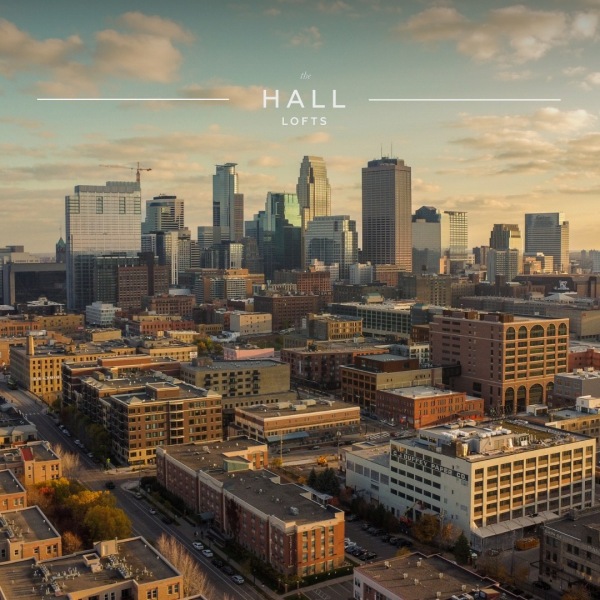
The Hall Lofts Apartments by Flats® specializes in bringing these historic spaces to life in Minneapolis' vibrant North Loop. The residences blend the authentic charm of the Warehouse District with the modern amenities necessary for comfortable urban living. Whether drawn to the massive factory windows or the open-plan flexibility, an industrial loft provides a truly one-of-a-kind home.
The Complete Warehouse Apartment Guide and available floorplans offer insight into how historic architecture meets modern luxury.