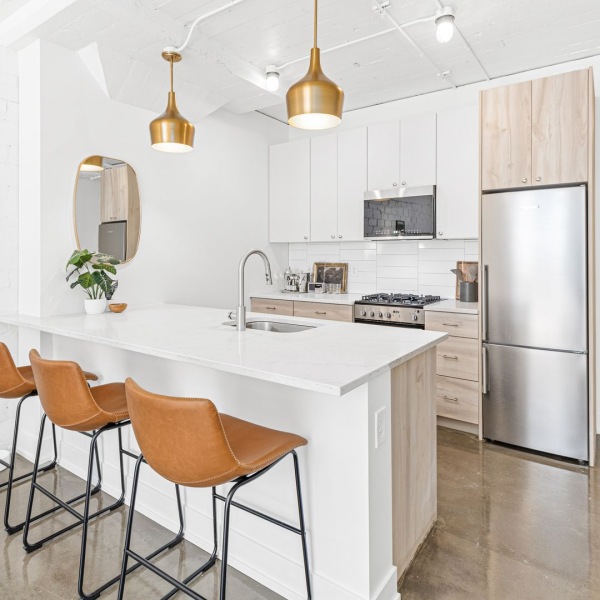


Minneapolis Lofts for Sale: What's Available Right Now
Lofts for sale minneapolis span a wide range of historic conversions and modern builds, concentrated in neighborhoods like North Loop, Elliot Park, and the Mill District.
Minneapolis has a well-documented shortage of downtown condo inventory, driven by strong demand that new development hasn't been able to keep pace with. That makes existing loft buildings — especially historic conversions — some of the most sought-after properties in the city.
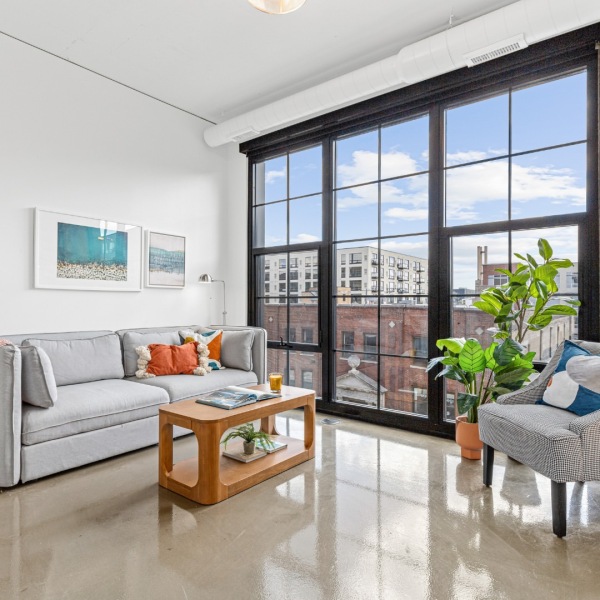
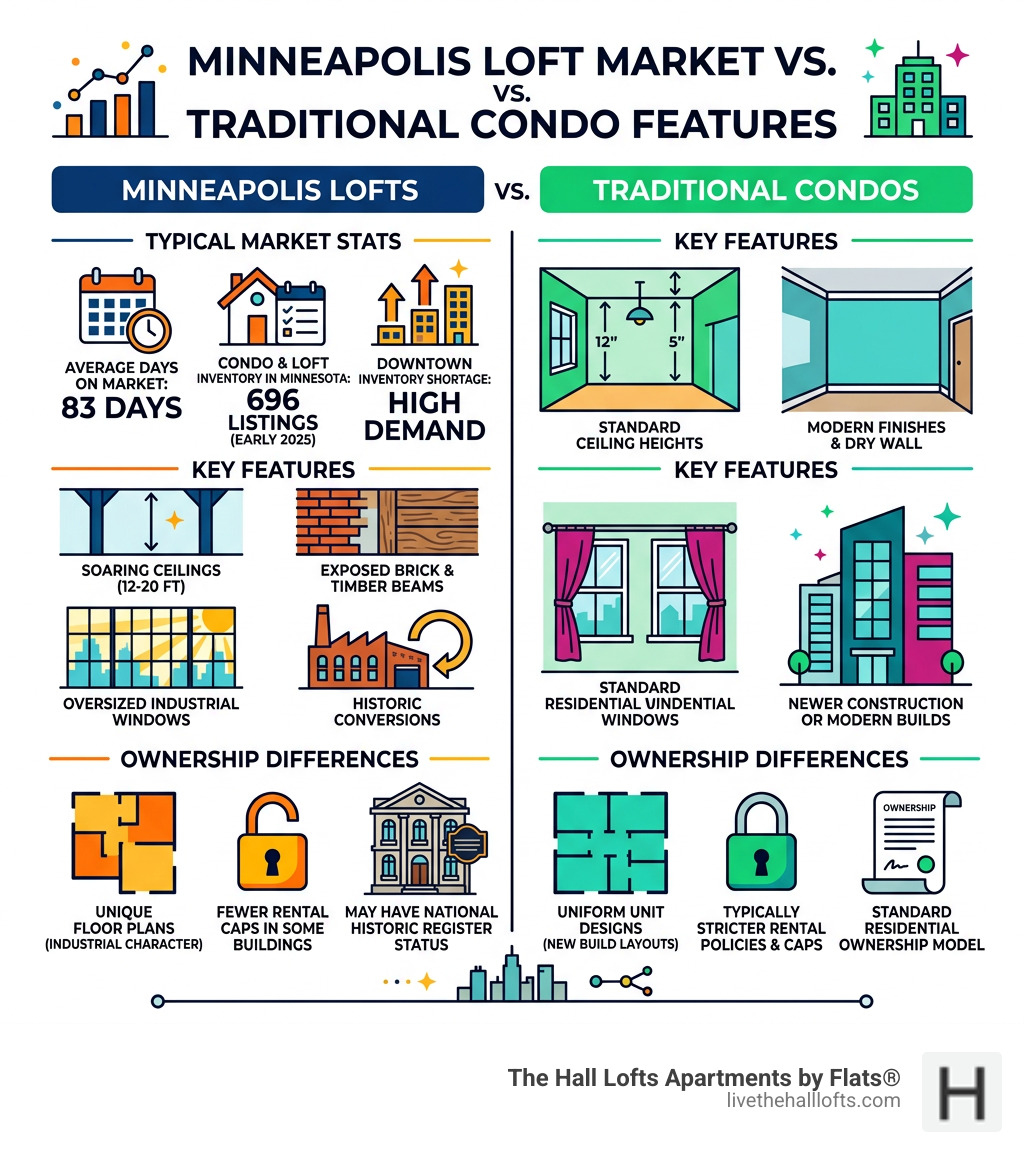
These aren't typical condos. Lofts typically started as commercial or industrial buildings — warehouses, factories, printing houses — later converted into residential units. The result is soaring ceilings, exposed brick, original timber beams, and oversized windows that newer construction simply can't replicate. Many of these structures are recognized by the National Register of Historic Places, ensuring their architectural legacy is preserved.
As of early 2025, there are 696 condos and lofts listed for sale across Minnesota, with an average of 83 days on market — giving buyers a reasonable window to explore options before making a decision.
Exploring the Best Lofts for Sale Minneapolis Offers
The search for lofts for sale minneapolis often leads directly to the city’s most vibrant urban corridors. The North Loop, Elliot Park, and the Mill District serve as the primary hubs for those seeking an authentic industrial aesthetic. These areas have transformed from gritty industrial centers into polished residential hotspots, offering a lifestyle that balances historical grit with modern convenience.
Living in a Minneapolis loft means being steps away from the Mississippi River and the extensive trail systems that line its banks. This Loft apartments minneapolis guide 2025 highlights how transit access, including the light rail and extensive bike paths, makes these neighborhoods ideal for those who prefer a car-optional lifestyle.

Luxury Amenities in Lofts for Sale Minneapolis
Modern loft living in Minneapolis is defined by more than just high ceilings and brick walls. Buyers often look for buildings that provide a comprehensive suite of amenities to enhance daily lives. Common features found in top-tier buildings include:
- Rooftop Patios: Many historic conversions utilize flat roofs to create community spaces with grills, fire pits, and panoramic skyline views.
- Fitness Centers: Residents often have access to on-site gyms, sometimes shared across a "campus" of buildings to provide more equipment and space.
- Heated Underground Parking: A necessity for Minnesota winters, secured garage stalls are a high-priority feature for many buyers.
- Pet-Friendly Policies: Minneapolis is a dog-loving city, and many loft buildings cater to this with nearby dog parks and pet-friendly association rules.
- Secured Package Rooms: With the rise of online shopping, dedicated, secure areas for deliveries have become a standard expectation.
Investment Value of Lofts for Sale Minneapolis
Beyond personal enjoyment, lofts for sale minneapolis represent a significant investment opportunity. The North Loop, in particular, has seen sustained demand from both owner-occupants and investors. Some buildings are known for having no rental caps, which allows owners more flexibility if the property is used as an income-generating asset.
This Luxury lofts minneapolis complete guide notes that historic tax credits often play a role in the initial development of these buildings, ensuring that the architectural integrity is preserved while modern updates are integrated. Property appreciation in these core urban neighborhoods has historically remained strong due to the limited supply of authentic warehouse conversions.
Iconic Historic Conversions and Building Features
The magic of a Minneapolis loft lies in its history. Many of these buildings were constructed at the turn of the 20th century to serve as factories or warehouses. When these structures are converted, developers often go to great lengths to preserve the original materials that give the space its soul.
Authentic industrial features often include:
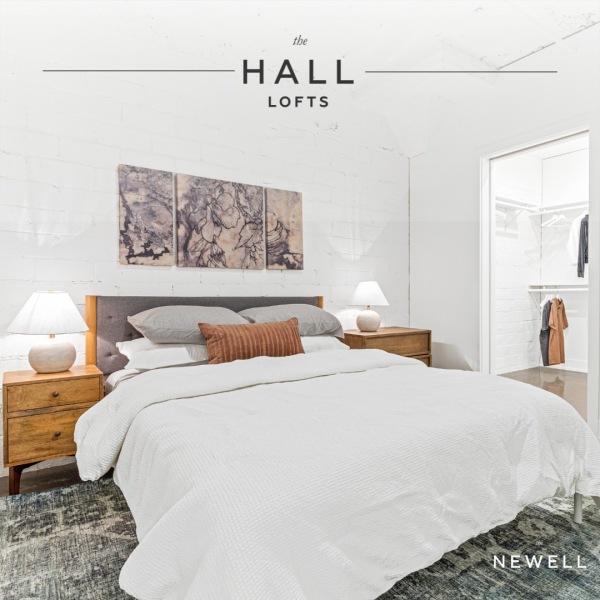
- Exposed Brick: Thick, multi-wythe brick walls that provide both aesthetic warmth and excellent sound insulation.
- Timber Beams and Concrete Pillars: Massive support structures that serve as focal points within the open floor plans.
- 12-Foot to 20-Foot Ceilings: Soaring heights that create a sense of volume and grandeur.
- Large Industrial Windows: Massive banks of windows that flood the interiors with natural light, often spanning 20 feet or more across a single unit.
Notable Loft Specifications
While every unit is unique, there are common specifications that buyers can expect when browsing lofts for sale minneapolis. Square footage can range significantly, from efficient 700-square-foot one-bedroom units to expansive penthouses exceeding 2,000 square feet.
Many owners have invested in custom upgrades to complement the industrial backdrop. It is common to find walnut built-ins, custom library shelving with rolling ladders, and designer lighting packages. Remodeled kitchens often feature high-end appliances, quartz countertops, and oversized islands that serve as the heart of the open-concept living area.
Market Statistics for Minnesota Condos and Lofts
Understanding the broader market context is essential for any prospective buyer. The Minnesota condo and loft market remains active, with a steady flow of inventory.
| Statistic | Value |
|---|---|
| Average Days on Market (DOM) | 83 Days |
| Total Active Listings (Condos/Lofts) | 696 |
Data based on MLS GRID information as of April 2025.
These statistics indicate a market where buyers have time to perform due diligence. The average of 83 days on the market suggests that while properties are moving, there is a healthy balance between supply and demand.
Understanding Ownership and Lifestyle Differences
Purchasing a loft is different from buying a single-family home or even a traditional suburban townhome. In a loft or condo arrangement, ownership includes the interior space of the unit and a percentage of the common areas. This Minneapolis lofts and condos resource explains that the Homeowners Association (HOA) typically handles exterior maintenance, snow removal, and the upkeep of shared amenities.
Key considerations for loft buyers include:
- HOA Fees: These monthly dues cover shared expenses like building insurance, water, trash, and maintenance of common spaces. In some Minneapolis buildings, these fees even include high-speed fiber optic internet.
- Master Insurance: The association maintains a policy for the building's exterior and common areas, while owners carry "walls-in" insurance for the specific unit.
- Financing: Some loft buildings may have specific financing requirements depending on the percentage of owner-occupied units or the presence of commercial tenants on the ground floor.
- Maintenance: One of the primary draws of loft living is the low-maintenance lifestyle. Owners are responsible for appliances and interior finishes, but the "heavy lifting" of building upkeep is managed by professionals.
Neighborhood Highlights for Urban Living
The location of lofts for sale minneapolis is often just as important as the building itself. The Warehouse District and North Loop offer an unparalleled density of amenities. Residents can walk to Target Field for a Twins game, stroll across the historic Stone Arch Bridge, or explore the endless bike paths along the Mississippi Riverfront.
The culinary scene in these neighborhoods is world-class, featuring award-winning dining, local breweries, and craft coffee shops. The presence of the light rail makes commuting to other parts of the city or the airport incredibly simple. For those with pets, the North Loop Dog Park provides a dedicated space for furry friends to socialize against the backdrop of the city skyline.
Frequently Asked Questions about Minneapolis Lofts
What is the difference between a loft and a condo?
While the terms are often used interchangeably in real estate listings, a "true loft" refers to a unit located within a converted industrial or commercial building. These typically feature open floor plans, high ceilings, and exposed structural elements like brick and concrete. A "condo" is a broader term for a type of ownership where the owner holds title to the unit and shares common areas, which can apply to modern high-rises or traditional apartment-style buildings.
Are there rental restrictions in Minneapolis loft buildings?
Rental policies vary by building. Some associations have "rental caps" that limit the number of units that can be leased at any one time to maintain a high percentage of owner-occupancy. Other buildings, particularly those in the North Loop, may have no rental cap, though they often require a minimum lease term (such as six months) to prevent short-term "hotel-style" rentals.
What do typical loft HOA fees cover?
In Minneapolis, HOA fees generally cover professional management, exterior maintenance, lawn care, snow removal, water, sewer, and trash. Many also include heating and air conditioning through a shared building system, and an increasing number of buildings are including high-speed internet as a standard association-provided service.
Conclusion
Finding the right property among the lofts for sale minneapolis offers is about matching personal style with the rich history of the city. Whether drawn to the 19th-century charm of the Warehouse District or the polished industrial feel of a modern conversion, these spaces provide a unique canvas for urban living.
The Hall Lofts Apartments by Flats® understands the appeal of this lifestyle, offering renovated warehouse spaces that blend historical character with essential modern amenities like in-unit laundry and pet-friendly environments. For those ready to trade the lawnmower for a rooftop view, it is time to explore the possibilities of the North Loop and beyond.