What to Know Before Renting Two-Bedroom Apartments
Two-bedroom apartments are one of the most popular rental options across the U.S. — and for good reason. They offer more space, flexible layout options, and room to grow.
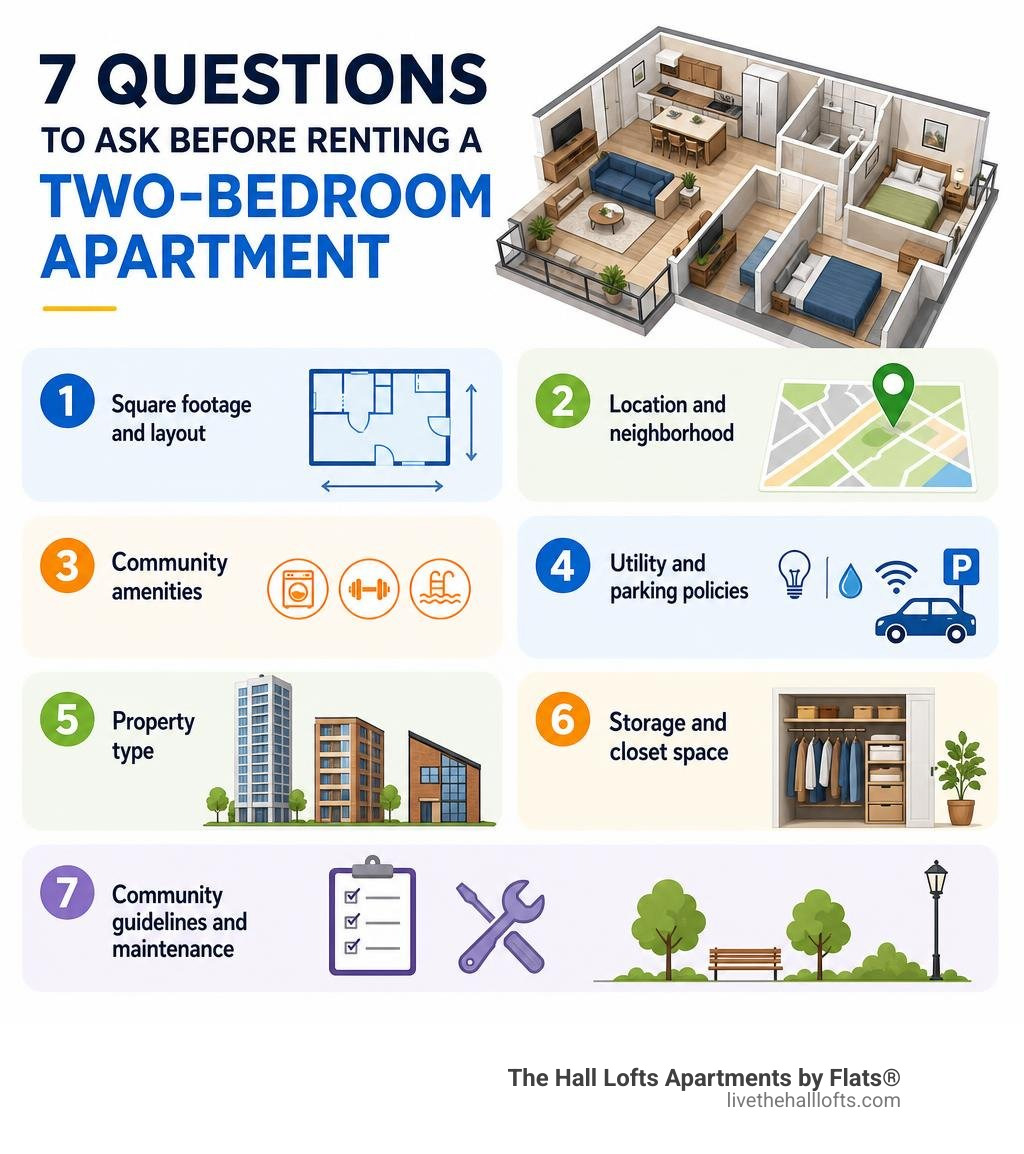
Here's a quick look at what to consider before signing a lease:
| Question | Why It Matters |
|---|---|
| Square footage and layout | Affects how livable the space actually feels |
| Location and neighborhood | Shapes commute, lifestyle, and availability |
| Community amenities | In-unit laundry, fitness centers, and pools vary widely |
| Utility and parking policies | Can significantly change your monthly commitment |
| Property type | High-rise, mid-rise, and loft-style each offer a different experience |
| Storage and closet space | Easy to overlook — hard to live without |
| Community guidelines and maintenance | Sets expectations for day-to-day living |
With thousands of two-bedroom rentals available in cities like Los Angeles, Chicago, and New York — and growing inventory in markets like Colorado Springs — there's no shortage of options. But not all two-bedroom apartments are created equal.
The floor plan, building type, pet policy, and included amenities can vary dramatically from one community to the next. Knowing the right questions to ask before touring can save a lot of time and frustration.
1. What Are the Typical Square Footage and Layout Options?

When exploring two-bedroom apartments, square footage alone does not tell the whole story. The efficiency of a floor plan dictates how usable the space is. In the Minneapolis rental market, two-bedroom layouts typically range from compact configurations of around 650 square feet to expansive luxury units exceeding 1,200 square feet.
Understanding how the square footage is distributed is critical when evaluating a floor plan:
- Split-Bedroom Layouts: In this configuration, the living room and kitchen area sit in the center of the apartment, separating the two bedrooms. This design is highly sought after because it maximizes privacy, making it ideal for roommates or those who use the second bedroom as a quiet home office.
- Traditional Side-by-Side Layouts: Here, both bedrooms are located on the same side of the apartment, sharing a common wall or separated by a bathroom. This layout is common in historic buildings and works well for those who prefer to keep sleeping quarters concentrated in one area of the home.
- L-Shaped and Open-Concept Layouts: Modern layouts often emphasize open-concept kitchens with central islands that flow directly into the dining and living spaces, creating an airy feel even in more compact footprints.
In addition to the overall layout, closet space plays a major role in spatial efficiency. Floor plans that feature apartments with walk in closets help keep the main living areas uncluttered. Large walk-in closets, built-in shelving, and secondary storage options can make a 900-square-foot apartment feel significantly larger than a poorly designed 1,100-square-foot unit.
2. How Do Location and Neighborhood Dynamics Affect Rental Options?
The physical location of an apartment building influences everything from daily commutes to the structural style of the home. In urban centers like Minneapolis, neighborhood dynamics dictate the availability of specific architectural styles and rental formats.
For instance, the North Loop neighborhood of Minneapolis is highly regarded for its industrial history and vibrant streetscapes. Those looking for minneapolis rentals will find that the neighborhood features a distinct blend of historic brick-and-timber warehouse conversions alongside newly constructed mid-rise buildings.
Urban core neighborhoods offer distinct characteristics:
- Walkability and Transit: Living in dense urban centers often reduces reliance on personal vehicles, with dining, retail, and public transit options located just steps from the front door.
- Architectural Character: Industrial conversions in historic districts often feature structural elements like exposed brick walls, original heavy timber beams, concrete flooring, and oversized factory-style windows.
- Density and Views: High-rise and mid-rise developments in central neighborhoods often provide impressive skyline views, though units may be slightly more compact compared to outlying suburban developments.
For those interested in exploring the broader rental market in the area, platforms such as 2 Bedroom Apartments For Rent in Minneapolis MN | Zillow and 2 Bedroom Apartments for Rent in Minneapolis MN offer comprehensive overviews of current availability, neighborhood boundaries, and local housing trends.
3. What Amenities Are Standard in Modern Communities?

The amenity package of a residential building directly shapes the day-to-day living experience. When comparing two-bedroom apartments, looking closely at both in-unit features and shared community spaces helps determine which property aligns best with daily routines.
In-Unit Amenities
In-unit laundry is consistently ranked as one of the most critical conveniences for modern renters. Having a washer and dryer inside the home saves time and eliminates the hassle of utilizing shared laundry rooms. For a deeper look into laundry configurations, the 2-bedroom apartments washer dryer guide 2026 offers valuable insights, while searching specifically for apartments with in unit laundry can help streamline the apartment hunt.
Other standard in-unit amenities to look for include:
- Modern Kitchen Appliances: Stainless steel appliances, dishwashers, gas ranges, and quartz counter-height islands.
- Smart Home Technology: Keyless entry systems, smart thermostats, and leak detection sensors that enhance convenience and security.
- High-End Finishes: Polished concrete or white oak print flooring, high ceilings, and expansive windows that maximize natural light.
Community Amenities
Shared amenities extend the usable living space beyond the walls of the apartment. Well-equipped communities often feature:
- Fitness Centers: On-site gyms with modern cardio equipment, free weights, and dedicated yoga spaces.
- Rooftop Decks and Pools: Outdoor lounge areas, grilling stations, and swimming pools that serve as social hubs during warmer months.
- Bike Storage and Pet Stations: Secure indoor bike racks and designated pet washing stations cater to active urban lifestyles.
4. How Do Utility Policies and Shared Expenses Impact the Lease?
Understanding the complete financial commitment of a lease requires looking beyond the base monthly rental rate. Additional fees, utility structures, parking, and pet policies can vary significantly from one property to another.
Utility Structures
Utility billing methods differ by building. In some properties, residents pay for electricity, cable, and internet directly to the utility providers, while water, sewer, and trash removal are billed through a flat monthly service fee or allocated based on building occupancy. Asking for an estimate of typical utility costs during a tour prevents unexpected monthly expenses.
Parking and Transit
In dense urban areas like Minneapolis, parking is a key consideration. Properties may offer heated underground garage stalls, assigned off-street parking, or street parking permits. Because winter weather can make street parking challenging, secure garage spaces are highly valued.
Pet Policies
For households with pets, finding pet friendly apartments is essential. Most pet-friendly communities enforce specific guidelines to ensure a comfortable environment for all residents:
- Pet Limits: A strict limit of two pets per apartment is standard across most multi-family communities.
- Fees and Deposits: Landlords often require an initial pet deposit or one-time fee, along with a nominal monthly pet rent.
- Designated Amenities: Some buildings feature dedicated pet runs, relief areas, or indoor pet washing stations.
5. How Do Property Types and Building Designs Influence Availability?
The structural design of a residential building influences everything from the amount of natural light in a home to the level of sound insulation between units. Renters can choose from several distinct property types when searching for two-bedroom apartments.
Historic Warehouse Conversions
Particularly prominent in historic industrial districts, warehouse conversions repurpose older commercial structures into unique residential lofts. These buildings feature unmatched character, characterized by exposed timber support columns, original brickwork, and soaring ceilings. Because these structures were originally built with heavy industrial materials, they often provide excellent natural sound barriers between apartments.
Mid-Rise Buildings
Mid-rise properties, typically standing between four and eight stories tall, represent a common architectural style in urban neighborhoods. These buildings often utilize modern wood-frame or concrete construction, offering a balanced community scale, elevator access, and integrated courtyard spaces.
High-Rise Developments
High-rise buildings dominate city skylines, utilizing steel and concrete construction. These properties generally offer the highest density of units, expansive views, and extensive amenity decks. However, they may also experience higher foot traffic in common areas like elevator lobbies and mailrooms.
6. What Storage and Closet Space Options Are Provided?
A common oversight during the apartment-hunting process is failing to evaluate storage capacity. Living in a two-bedroom apartment—whether with a roommate, family, or individually utilizing a spare room—requires smart storage solutions to maintain an organized living space.
When touring potential homes, pay close attention to the following storage details:
- Bedroom Closets: Look for walk-in closets with pre-installed shelving or adjustable hanging rods that maximize vertical space.
- Kitchen Cabinetry: Deep cabinets, pull-out pantries, and kitchen islands with built-in shelving offer essential storage for cookware and pantry items.
- Entryway and Linen Closets: Dedicated coat closets near the entrance and linen closets near the bathrooms prevent clutter from spilling into the main living areas.
- On-Site Storage Lockers: Many mid-rise and historic conversion buildings provide secure, climate-controlled storage cages or lockers in the basement or garage level for seasonal gear, luggage, and holiday decorations.
7. How Do Community Guidelines and Maintenance Services Function?
The quality of building management and maintenance services plays a defining role in resident satisfaction. Clear community guidelines and efficient maintenance protocols ensure the property remains clean, functional, and comfortable.
Maintenance Protocols
Modern rental communities utilize online resident portals to streamline service requests. Residents can submit maintenance tickets 24/7, upload photos of the issue, and track the progress of the repair. Asking about the average turnaround time for non-emergency repairs—and confirming that 24-hour emergency maintenance is available for urgent issues like plumbing leaks—provides peace of mind before moving in.
Community Guidelines
Shared living requires clear expectations. Reviewing the community guidelines before signing a lease helps ensure the building environment aligns with personal expectations. Key policies to ask about include:
- Quiet Hours: Standard quiet hours in common areas and residential hallways help maintain a peaceful living environment.
- Guest Policies: Guidelines regarding long-term guests and the reservation processes for shared amenities like community rooms or rooftop grills.
- Trash and Recycling: Clear instructions on trash chute usage, recycling separation, and compost programs.
Frequently Asked Questions About Two-Bedroom Apartments
What is the average size of two-bedroom apartments?
In most urban markets, two-bedroom apartments average between 800 and 1,100 square feet. However, layout efficiency is often more important than total square footage; a split-bedroom layout with minimal hallway space can feel much larger and more functional than a poorly configured unit with a larger footprint.
Are pet policies standard in multi-family rentals?
While many modern apartment communities are pet-friendly, specific policies vary. Most properties enforce a strict two-pet limit per household, require pet registration, and collect monthly pet rent. Some buildings also maintain weight limits or breed restrictions, so it is always best to confirm these details with the leasing office prior to applying.
How do lease terms affect the availability of two-bedroom apartments?
Lease durations typically range from 12 to 15 months, though short-term options may be available depending on seasonal demand. In college towns or cities with distinct seasonal weather patterns like Minneapolis, apartment availability often peaks during the spring and summer months, while winter availability may be more limited.
Conclusion
Finding the perfect two-bedroom apartment comes down to balancing layout, location, and lifestyle amenities. For those seeking a unique living experience in Minneapolis, historic warehouse conversions offer the ideal blend of historical charm and contemporary design.
With exposed brick walls, timber beams, and modern updates like in-unit laundry and pet-friendly spaces, these homes provide a distinct character that stands out from standard modern developments. Explore available floorplans today to find a space that perfectly fits your lifestyle.